Pest Control in Alexandria VA for Homes With Pets
(And What Actually Solves Pest Problems Long-Term)
Free & no obligation · By appointment · Alexandria & Northern VA
Local overview · Alexandria VA
Why Pest Activity Is Common Around Alexandria Homes
In Alexandria and throughout Northern Virginia, many pest problems begin outside the home where moisture, landscaping, and urban environmental conditions support pest activity. Mulch beds, wooded corridors, crawl spaces, drainage systems, and exterior lighting commonly contribute to ant, rodent, tick, mosquito, and spider activity around homes and townhomes. Exterior inspections are important because they help identify pest-supporting conditions before activity becomes more noticeable indoors. Planet Friendly Pest Control uses an inspection-driven approach focused on targeted treatments, minimal product use, and thoughtful pest protection designed for homes with pets. The goal is to reduce the environmental conditions contributing to pest activity while maintaining a balanced outdoor environment.
We view these patterns as environmental conditions rather than isolated pest problems.
Alexandria homes experience many of the environmental conditions that naturally support pest activity throughout the City of Alexandria and Northern Virginia. Historic neighborhoods, mature tree canopies, dense landscaping, older drainage systems, and seasonal humidity all create outdoor environments where pests can nest, feed, and gradually move closer to homes over time.
Throughout Alexandria and nearby neighborhoods, many homes border wooded corridors, stream areas, landscaped courtyards, shaded foundation beds, and narrow drainage pathways that retain moisture long after rainfall. These damp exterior conditions commonly support ant colonies, mosquito breeding areas, rodent nesting zones, and tick activity around residential properties.
Northern Virginia’s humid summers also increase insect activity around patios, crawlspaces, foundations, drainage systems, and outdoor gathering spaces. During warmer months, flying insects gather around porch lights and exterior lighting, naturally attracting spiders near garages, soffits, balconies, and entryways.
At Planet Friendly Pest Control, we view these patterns as environmental conditions rather than isolated pest problems. Understanding what is happening around the exterior of the home is often the first step toward calmer and more effective pest protection for homes with pets.

Why Most Pest Problems Begin Outside
Where it starts
- Ants
- Rodents
- Ticks
- Mosquitoes
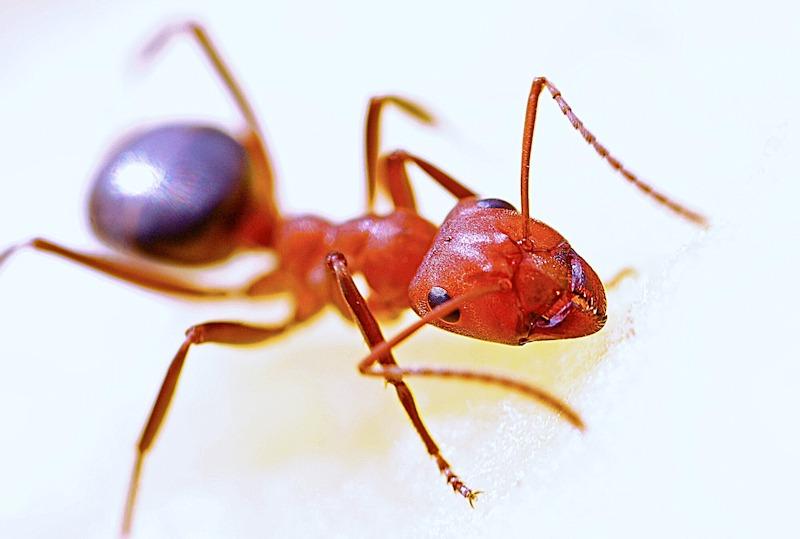
Across Alexandria and surrounding Northern Virginia communities, most pest activity begins outdoors long before insects or rodents appear indoors. Ant colonies commonly establish beneath mulch beds, decorative stone, retaining walls, sidewalks, brick pathways, and damp soil near foundations before eventually moving inside searching for food or moisture.
Rodents also usually begin outside. During inspections throughout Alexandria, nesting activity is commonly found around crawlspaces, alleyways, garages, retaining walls, dense shrubbery, utility penetrations, and exterior storage areas before movement toward the structure develops.
Ticks thrive along wooded transitions, shaded lawn borders, leaf litter, and wildlife travel routes connecting residential properties to nearby parks and green spaces. Homes with dogs often experience increased tick exposure because pets naturally move between maintained lawns and shaded outdoor areas throughout the property.
Mosquitoes commonly develop in standing water found near drainage systems, gutters, planter trays, courtyard drains, and moisture pockets that remain after rainfall. Spiders also gather around porch lighting and soffits where flying insects remain active after sunset.
These predictable outdoor patterns are why exterior inspections remain one of the most important parts of pest protection throughout the Alexandria area.
How Moisture and Landscaping Influence Pest Activity
01 — How Moisture
How Damp Soil Around Foundations Supports Ant Colonies
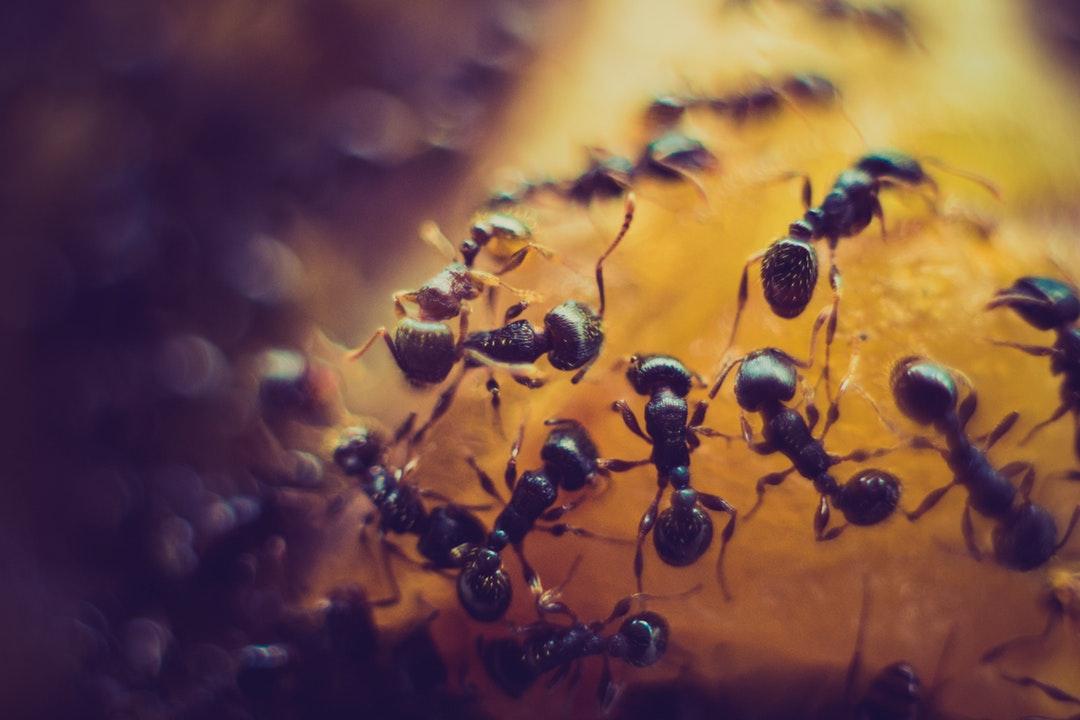
Many Alexandria homes feature landscaped beds and shaded outdoor areas that keep soil damp for long periods. Moisture trapped beneath mulch and dense vegetation creates ideal nesting conditions for ants, spiders, earwigs, and other moisture-dependent pests.
Older drainage systems and compact lot designs can also increase moisture retention around foundations during Northern Virginia’s humid summer months.
 Condition 01
02 — How Moisture
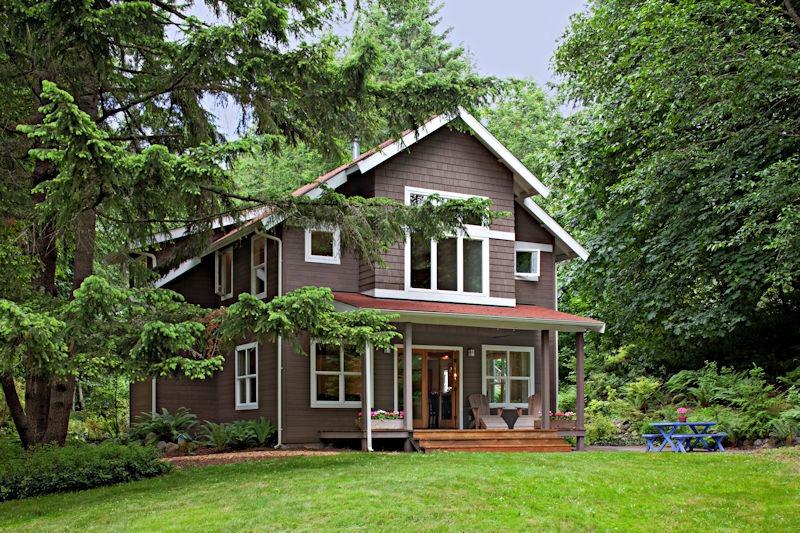
Why Parks and Green Spaces Increase Tick Pressure
Homes located near wooded parks, trails, and shaded green corridors often experience increased tick pressure because shaded environments support tick survival and reproduction.
Ticks are especially common along backyard edges, fence lines, shaded grass, and areas with leaf litter where wildlife regularly moves through residential neighborhoods.
 Condition 02
03 — How Moisture
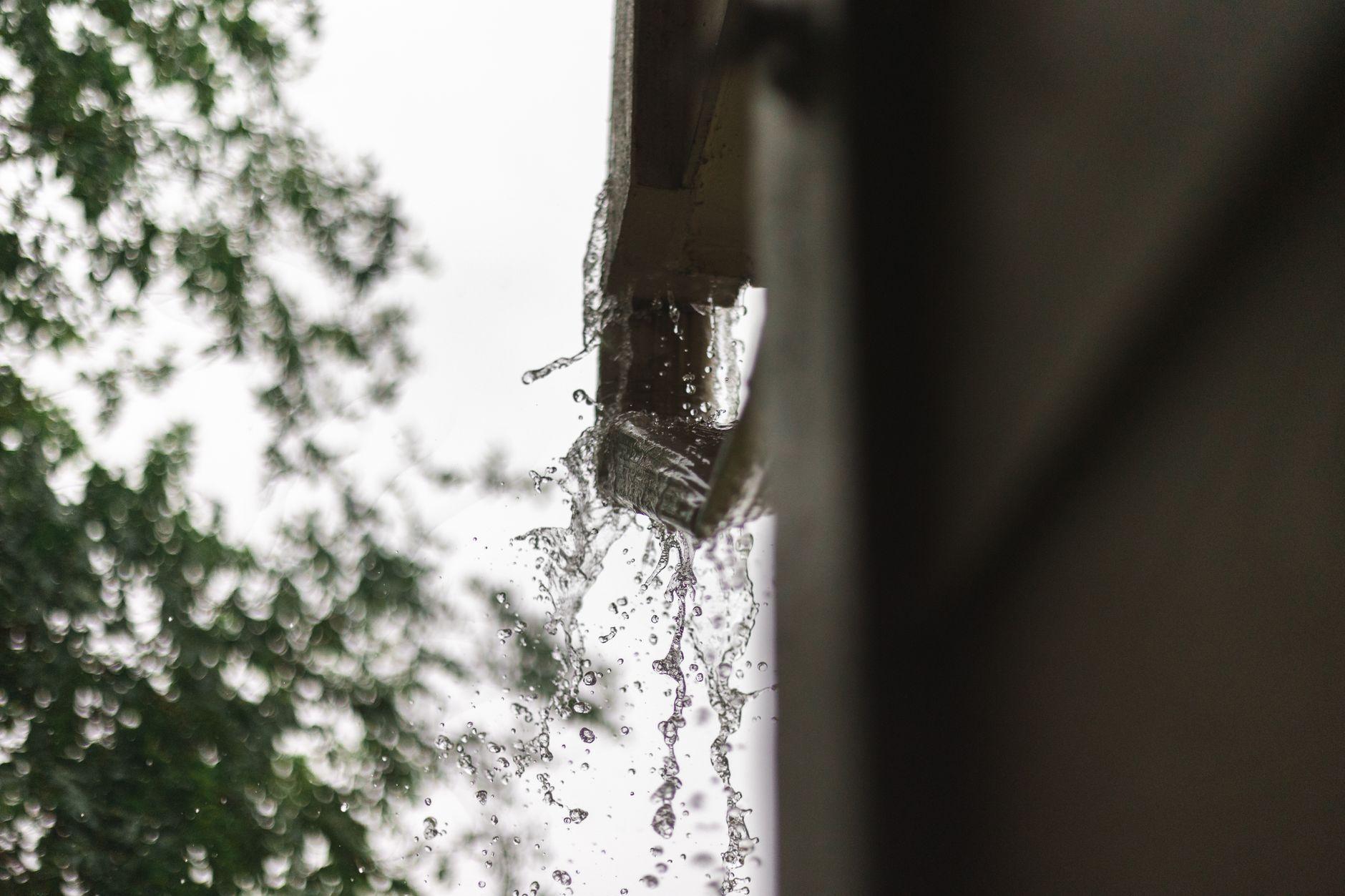
How Drainage Areas and Humidity Increase Mosquito Activity
Standing water around storm drains, clogged gutters, shaded low spots, and courtyard drainage systems commonly supports mosquito breeding throughout Alexandria. Warm temperatures and humidity allow mosquitoes to remain active for much of the season.
Dense landscaping and shaded vegetation also provide cool resting areas for mosquitoes during the daytime.
 Condition 03
04 — How Moisture
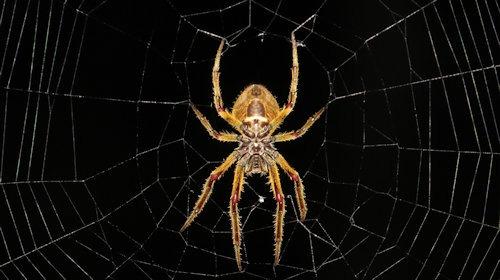
Why Exterior Lighting Attracts Spider Activity
Exterior lights around porches, garages, patios, balconies, and entryways naturally attract flying insects during evening hours. Spiders gather near soffits, corners, and lighting fixtures because these locations provide reliable feeding opportunities.
This pattern is especially common in Alexandria neighborhoods with mature landscaping and dense residential development where nighttime insect activity remains active throughout warmer months.
 Condition 04
What We Commonly Observe During Alexandria Inspections
- 01
During inspections throughout Alexandria, we frequently find ant colonies developing beneath damp mulch beds, shaded soil near foundations, and landscaped areas where moisture remains trapped after rainfall. Homes with mature shrubbery and shaded outdoor spaces often experience recurring exterior insect activity around patios, crawlspaces, and foundation lines.
- 02
Rodent activity commonly begins outdoors around crawlspaces, garages, retaining walls, dense vegetation, alleyways, sheds, and exterior storage areas before movement indoors becomes noticeable during cooler weather.
- 03
Tick activity is regularly observed along wooded walking trails, shaded backyard borders, and nearby park corridors where wildlife movement remains active throughout the season. Homes with dogs often experience recurring tick pressure because pets naturally move through these shaded outdoor environments.
- 04
Mosquito activity is also commonly linked to drainage pockets, clogged gutters, standing water near patios, courtyard drains, and shaded low sections of the property where moisture remains after rain.
- 05
These recurring environmental conditions are what shape PFPC’s inspection-first approach throughout the Alexandria area.
Regional field guide
Where Pest Activity Usually Begins Around the Home
How the most common pests move from an outdoor source toward the home — and where activity usually starts.
| Pest | Common Outdoor Source | Where Activity Usually Begins |
|---|---|---|
 Ants Ants | Damp soil and mulch beds | Shaded foundation edges |
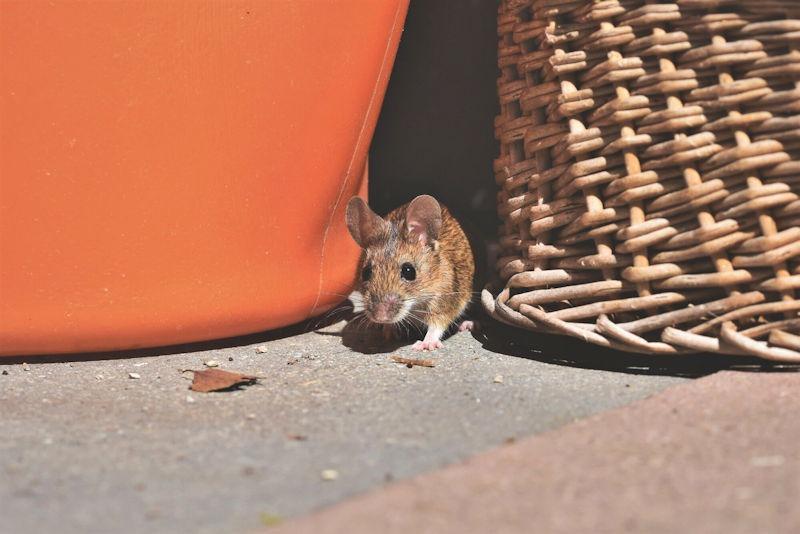 Rodents Rodents | Crawlspaces, vegetation, alleyways | Structural openings and exterior voids |
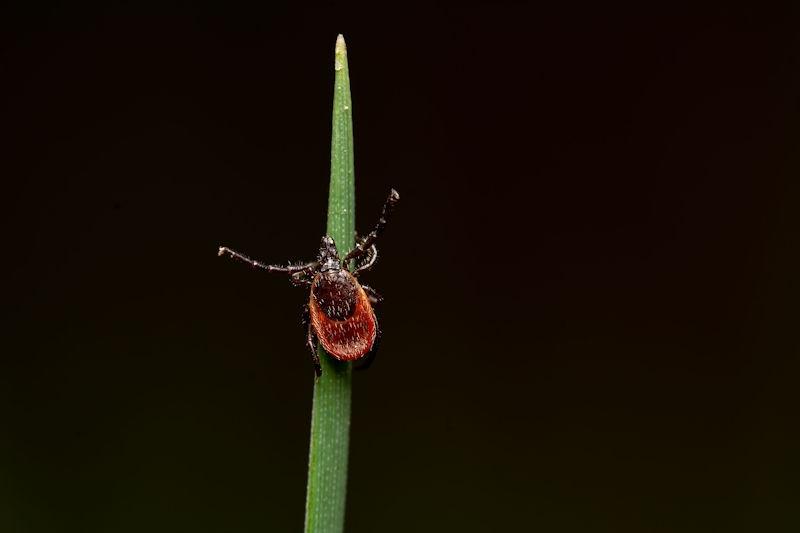 Ticks Ticks | Leaf litter and shaded grass | Backyard borders and park edges |
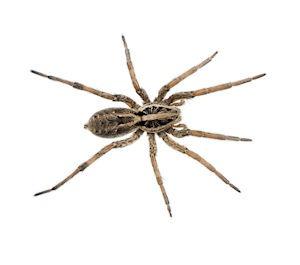 Spiders Spiders | Flying insects near lighting | Porches, soffits, and corners |
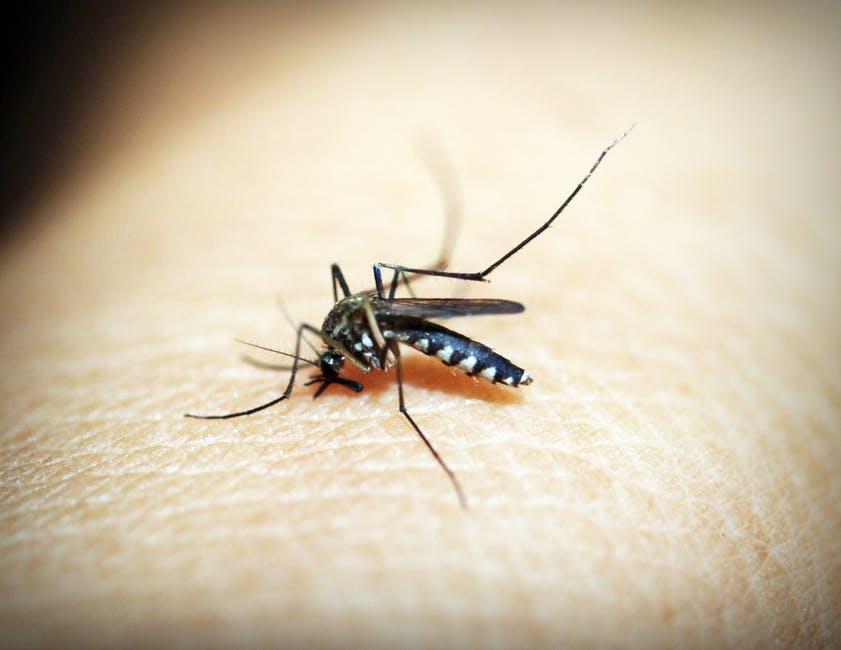 Mosquitoes Mosquitoes | Standing water and drainage systems | Shaded yard depressions |
How Planet Friendly Pest Control Approaches Alexandria Homes
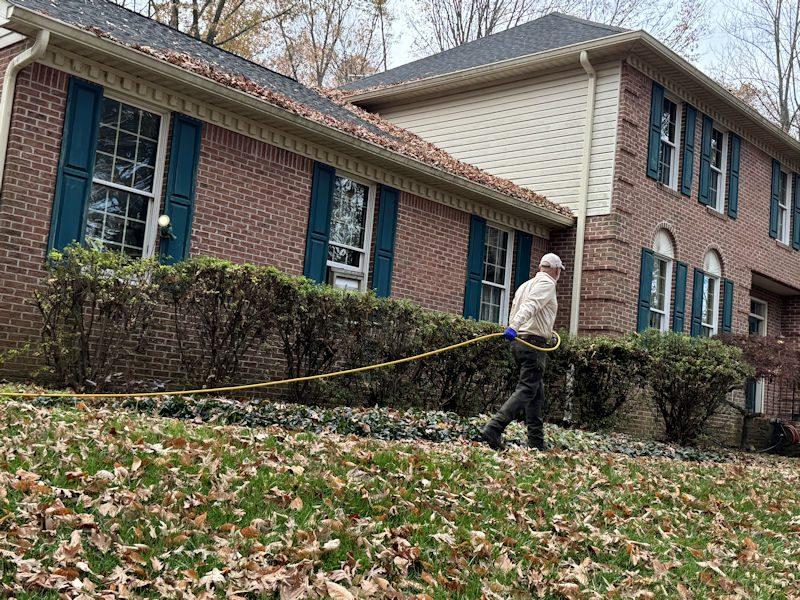
At Planet Friendly Pest Control, every Alexandria service begins with a detailed exterior inspection. We evaluate drainage patterns, mulch depth, soil moisture, vegetation density, structural gaps, foundation shading, and the influence of nearby wooded or landscaped areas.
This process helps identify why pests are active instead of simply reacting to interior sightings.
Treatments remain minimal, targeted, and intentionally placed only where needed. For homes with pets, thoughtful placement matters. We avoid areas where dogs and cats frequently walk, rest, or play whenever possible.
Our focus is precision, environmental responsibility, and long-term clarity rather than excessive applications.
Every service also includes clear inspection findings and practical recommendations designed to help homeowners better understand the environmental conditions contributing to pest activity around the property.
Our process
- Step 01
Inspect exterior conditions
- Step 02
Identify why pests are active
- Step 03
Targeted, minimal treatment
- Step 04
Clear findings & recommendations
Pest Control Plans
Straightforward monthly protection
Fixed monthly pricing, month-to-month — no long-term contracts. Bed bugs and termites are not covered by any plan; rodent coverage means mice and rats.
BugBlock
Seasonal Pest Protection
$99/mo
Month-to-month · no long-term contract
General insect pests.
Not included: Bed bugs, cockroaches, termites, pantry pests, mice, rats, ticks, fleas, carpet beetles, stinging insects, and mosquitoes.
PestBlock
Year-Round Home Protection
$159/mo
Month-to-month · no long-term contract
Everything in BugBlock plus cockroaches, pantry pests, mice & rats, ticks, and stinging insects such as wasps, hornets, and carpenter bees.
Not included: Bed bugs, termites, mosquitoes, fleas, and carpet beetles.
MaxBlock
Complete Pest & Mosquito Protection
$279/mo
Month-to-month · no long-term contract
Everything in PestBlock plus mosquitoes.
Not included: Bed bugs, termites, fleas, and carpet beetles.
Our guarantee
If a covered pest returns while the customer's service is active, Planet Friendly Pest Control will return and address the problem at no additional charge.
Flea and carpet beetle services may be available to established PestBlock and MaxBlock clients following inspection — not included as standard plan coverage.
Where We Provide Pest Protection Around Alexandria
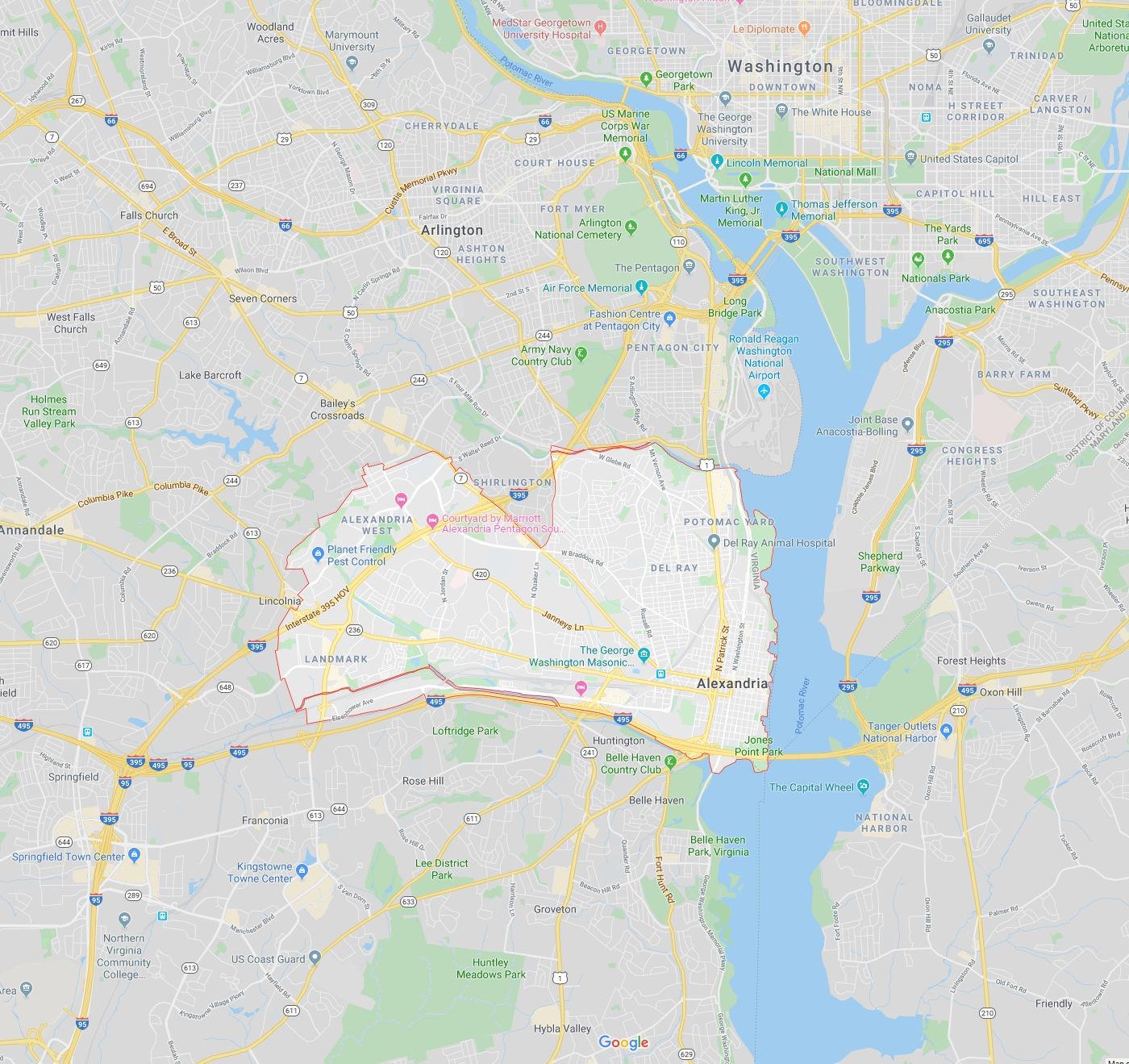
Planet Friendly Pest Control provides pest protection throughout Alexandria and surrounding Northern Virginia communities including Del Ray, Old Town Alexandria, Rosemont, Potomac Yard, Belle Haven, and nearby City of Alexandria neighborhoods.
Many of these communities share similar environmental conditions including mature landscaping, shaded soil, drainage corridors, wooded park areas, and moisture-rich environments that contribute to outdoor pest activity around homes with pets.
Nearby community pages
Reviews
Hear From Our Happy Customers
Hundreds of Google reviews across our verified service locations.
“They found the source outside that two other companies missed. No more ants — and a clear written report after every visit.”
 Chris · Del Ray, Alexandria
Honest, thorough, and no pushy contracts. The exterior-first approach made sense for our home with two dogs.

Megan
Old Town, Alexandria
Finally a pest company that treats the outside first. Fewer treatments inside our home with a new baby.

Dan
Rosemont, Alexandria
Professional, punctual, and genuinely knowledgeable. Our yard is finally enjoyable again.

Kareem
Belle Haven, Alexandria
Common Questions From Alexandria Homeowners
Still have a question about Alexandria VA?
Talk to a local expert — no pressure, no obligation.
Chapter 08
Helpful Local Pest Education Guides
- Outside-first
Why Most Pest Problems Start Outside the Home
Local guide - Ticks
Tick Protection for Homes With Dogs in Northern Virginia
Local guide - Rodents
Rodent Behavior Around Urban and Suburban Neighborhoods
Local guide - Ants
How Mulch Depth and Moisture Influence Ant Activity
Local guide - Mosquitoes
Mosquito Conditions Around Shaded Northern Virginia Yards
Local guide
A Calm, Thoughtful Approach to Pest Protection
Alexandria’s mature landscaping, historic neighborhoods, shaded outdoor spaces, and humid climate naturally support outdoor pest activity throughout much of the year. Moisture, vegetation density, wildlife movement, and exterior access points all shape how pests behave long before activity becomes noticeable indoors.
That is why Planet Friendly Pest Control focuses on understanding the conditions around the property first. Careful exterior inspections, thoughtful observations, and targeted decisions help create calmer and more effective pest protection for homes with pets.
The first step is simply identifying the environmental conditions around the home that may be supporting pest activity over time.