
Rodent Control in Southern Maryland & Northern Virginia
Inspection-first solutions for mice, rats, and ongoing rodent problems.
In Southern Maryland and Northern Virginia, most rodent problems are caused by exterior access points and hidden nesting areas rather than the rodents you see inside the home.
Do I need a pro?
Do I need professional rodent control for my home?
In most cases, yes. Mice and rats can enter homes through very small openings and remain active behind walls, attics, and crawl spaces. Professional rodent control focuses on inspection, removal, and exclusion to prevent rodents from returning, rather than relying on traps alone.
Why Rodent Problems Are Different From Other Pests
Rodents are not a nuisance pest — they are a structural and sanitation issue. Unlike insects, rodents:
- Enter homes intentionally for shelter and warmth
- Reproduce quickly once inside
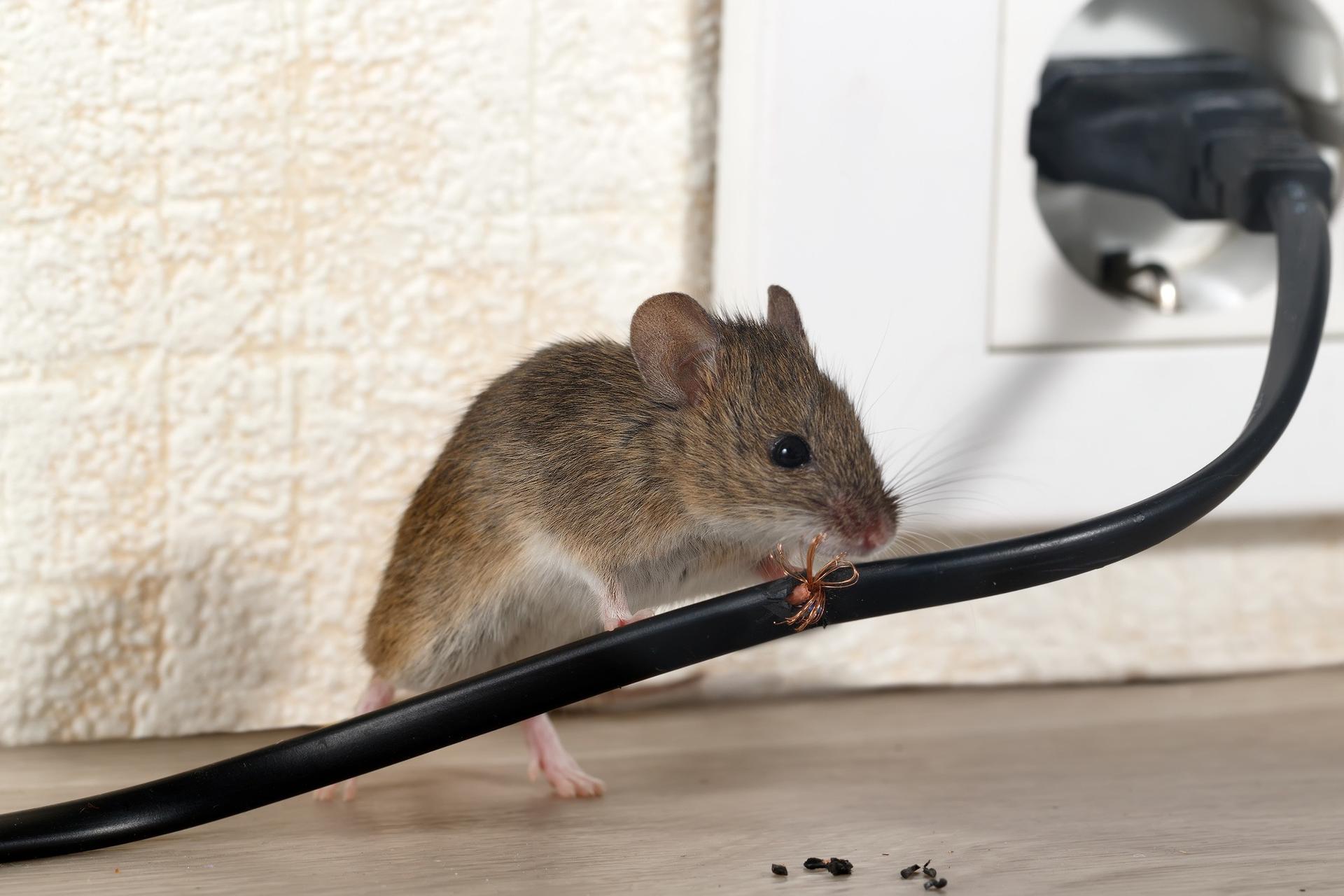
- Damage insulation, wiring, and building materials
- Leave contamination behind even when unseen
This is why rodent control requires a different approach than routine pest treatments.

Common Signs of Rodent Activity in Homes
Many homeowners contact us after noticing:
- Scratching or movement sounds in walls or ceilings
- Droppings in kitchens, basements, or garages
- Chewed food packaging or wiring
- Strong odors in enclosed areas
- Rodents seen inside or near the home
In many cases, activity is already established before these signs appear.
Why Rodent Problems Keep Returning
Most recurring rodent problems are not indoor issues — they are exterior access problems. Rodents commonly enter homes through:
- Gaps around pipes, vents, and utility lines
- Foundation cracks or siding openings
- Garage doors and door thresholds
- Rooflines, soffits, and attic access points
If these entry points are not identified and sealed, rodents will continue to return — even after trapping.
Why Traps Alone Rarely Solve Rodent Problems
Traps can remove individual rodents, but they do not stop new rodents from entering. When entry points remain open, trapping becomes a cycle rather than a solution. Common reasons trapping fails:
- Access points are not sealed
- Nesting areas remain active
- New rodents replace removed ones
- Activity shifts to different areas of the home
Long-term rodent control requires exclusion and structural correction, not just removal.
Our method
The Planet Friendly Rodent Control Method
Outside-first. Inspection-driven. Built to last. We approach rodent control as a home protection process, not a one-time service — identifying how rodents enter, removing active rodents, and sealing access points to prevent re-entry.
Full Rodent Inspection
We start by identifying entry points (even very small gaps), active rodent pathways, nesting locations (attic, crawl space, garage, wall voids), and exterior conditions attracting rodents. You get clear answers, not guesses.
Targeted Rodent Removal
We use strategic trapping and treatments placed where rodents actually travel — allowing faster control, less disruption inside the home, and no overuse of products.
Entry Point & Exclusion Guidance
We identify what needs to be sealed or corrected to stop re-entry. Rodent control fails without exclusion — we make it part of the plan.
Habitat & Food Source Reduction
Rodents stay where food and shelter exist. We help you correct outdoor harborage, storage issues, and environmental conditions that invite rodents back. This is how you get long-term results.
Rodent Control Services We Provide
Based on inspection results, rodent control may include:
- Trapping and removal of active rodents
- Identification and sealing of entry points
- Exclusion work to prevent re-entry
- Monitoring and follow-up when needed
The exact approach depends on the home, the activity level, and structural conditions.
Why Rodent Control Matters Here
Seasonal temperature changes, suburban development, and wooded areas increase rodent pressure on homes in our region. Unchecked rodent activity can lead to:
- Structural damage
- Electrical hazards from chewed wiring
- Ongoing noise and stress
- Increased repair costs over time
Early inspection and proper exclusion are the most effective ways to protect your home.
Frequently Asked Questions About Rodent Control
Yes. Rodents can cause damage and contamination even when they are not seen regularly. Ongoing activity increases health and structural risks over time.
Rodents rarely leave voluntarily if food, shelter, and access remain available. Without exclusion, activity often continues or returns.
Rodent control usually involves multiple steps and may require follow-up depending on conditions. Long-term success depends on inspection and exclusion.
In most cases, yes. Exclusion prevents rodents from re-entering by sealing access points and is essential for long-term control.
Yes. Professional methods are designed to address rodent activity while minimizing risk to people and pets when used appropriately.
Costs vary based on activity level, structure type, and the amount of exclusion needed. Inspection provides accurate recommendations and pricing.
Happy Customers
Homeowners who made the switch
Hundreds of Google reviews across our verified service locations.
I highly recommend using Planet Friendly Pest Control. Making an appointment is seamless and the service technicians are punctual. I am a customer who have dogs and have not seen any negative side effects from the products. I have been using this company now for two summers.

Chris B.
Verified customer
Planet Friendly Pest Control is one of the most informed pest control companies I've ever worked with. I love Planet Friendly's eco-friendly approach. They're incredibly innovative, think outside the box and will help you find solutions to pest problems you thought you'd never be able to cure. I strongly recommend this company.

Megan Q.
Verified customer
BEST I HAVE EVER EXPERIENCED! Friendly, respectful, and prompt with great customer service! I ask for some urgent help with a wasp issue, they made time in their schedule to help me despite it not being a normal work day. This company knows their stuff and their formula works great and continues to work!

Dan
Verified customer
More Rodent Questions, Answered
Common Mouse Problems
Mice enter homes in winter to escape cold temperatures and find steady food and shelter. Basements, crawlspaces, and wall voids provide warmth once outdoor resources disappear.
Read the full answerScratching sounds are commonly caused by mice traveling between nesting and feeding areas. Rodents are most active at night because they avoid daylight and human activity.
Read the full answerMice still need food and water, even if they nest inside walls. They often leave wall voids at night to reach kitchens, pantries, or garages.
Read the full answerDroppings usually appear near food sources or travel paths. This often means mice are active nearby, even if they are not seen directly.
Read the full answerYes, basements are common entry and nesting areas for mice. Cracks, utility lines, and foundation gaps make access easy during colder months.
Read the full answerMice rarely stay in one location. They move between nesting areas and food sources through walls, floors, and cabinets.
Read the full answerMice can squeeze through very small gaps around foundations, siding, and utility lines. Openings as small as a dime can be enough for entry.
Read the full answerYes, attics provide warmth, nesting material, and protection from predators. Mice may remain as long as food access continues.
Read the full answerYes, crawlspaces and garages are common starting points for rodent activity. These areas provide quiet shelter and easy access indoors.
Read the full answerSafety & Health Concerns
Yes, mice can contaminate surfaces with bacteria through droppings and urine. The risk increases when activity continues untreated over time.
Read the full answerYes, mice can carry bacteria and parasites that contaminate food and surfaces. Proper sanitation and professional control reduce health risks.
Read the full answerImproperly placed rodent poison can pose risks to pets. Professional rodent control focuses on targeted methods and prevention instead.
Read the full answerYes, rodent activity can attract insects that feed on droppings or nesting material. This can create secondary pest problems if left untreated.
Read the full answerMouse droppings should be handled carefully to avoid contamination. Protective steps and proper cleaning methods are important for safety.
Read the full answerYes, mice constantly chew to control tooth growth. Electrical wiring damage is a known risk in active rodent infestations.
Read the full answerMice commonly chew insulation to create nesting areas and travel paths. This damage can reduce energy efficiency and hide active infestations.
Read the full answerHow Professional Rodent Control Works
Effective rodent control starts with inspection and targeted trapping. Long-term success depends on preventing re-entry, not just removal.
Read the full answerProfessional control often relies on traps placed in strategic locations. Poison is used cautiously and only when appropriate.
Read the full answerMany rodent problems can be addressed through exterior control and entry-point work. Interior treatments are only used when activity requires it.
Read the full answerActivity often decreases quickly once control measures are in place. Prevention steps determine how long results last.
Read the full answerMice can return if entry points remain open. Prevention and monitoring are key to long-term control.
Read the full answerDIY methods may reduce activity temporarily. Professional control addresses the full problem, including access points and nesting areas.
Read the full answerContinued sightings often mean more than one mouse is present. Traps alone do not prevent new mice from entering the home.
Read the full answerTiming, Cost, and Expectations
Costs vary based on the level of activity and structure type. An inspection provides accurate recommendations and pricing.
Read the full answerSome situations require short-term control, while others need ongoing prevention. Seasonal rodent pressure affects long-term needs.
Read the full answerMouse activity increases during fall and winter as temperatures drop. Cold weather pushes rodents indoors for shelter and food.
Read the full answerSome mice may move outdoors, but many remain if food and shelter exist. Waiting often allows infestations to grow larger.
Read the full answerEarly action limits damage and health risks. Delays often lead to wider spread throughout the home.
Read the full answerProfessional rodent control focuses on precise placement and prevention. Methods are chosen carefully to minimize exposure risks.
Read the full answerOlder homes often have more entry points due to settling and aging materials. This can make access easier if gaps are not addressed.
Read the full answerConcerned About Rodent Activity?
If you’re hearing noises, seeing droppings, or simply want peace of mind, the smartest first step is an inspection. Same-day appointments available in most areas.