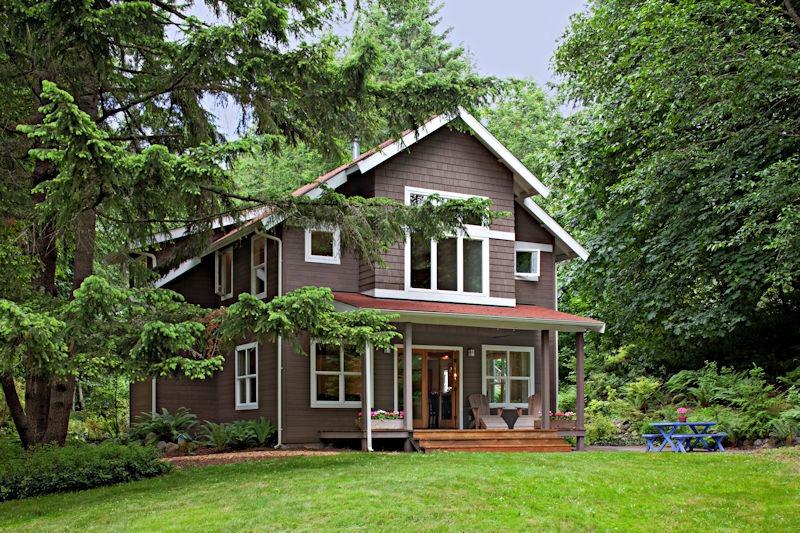
Northern Virginia's landscape is shaped by wooded neighborhoods, mature trees, suburban landscaping, and dense residential development. Homes throughout the region often sit near tree lines, green spaces, parks, and community walking trails that provide natural habitat for many pests.
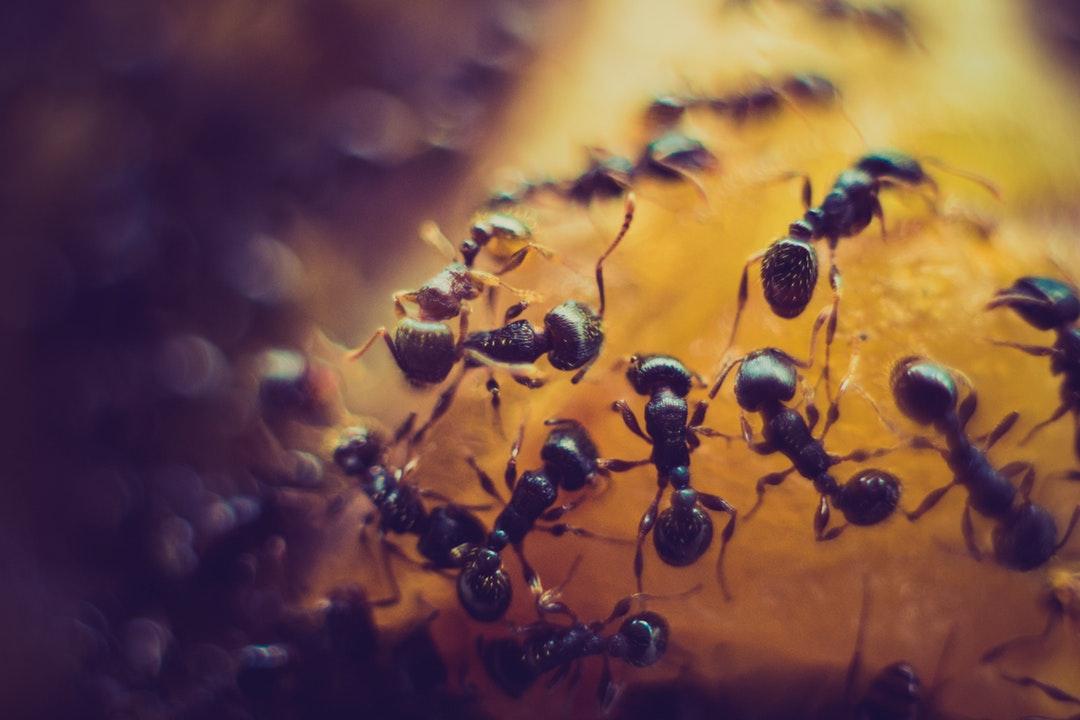
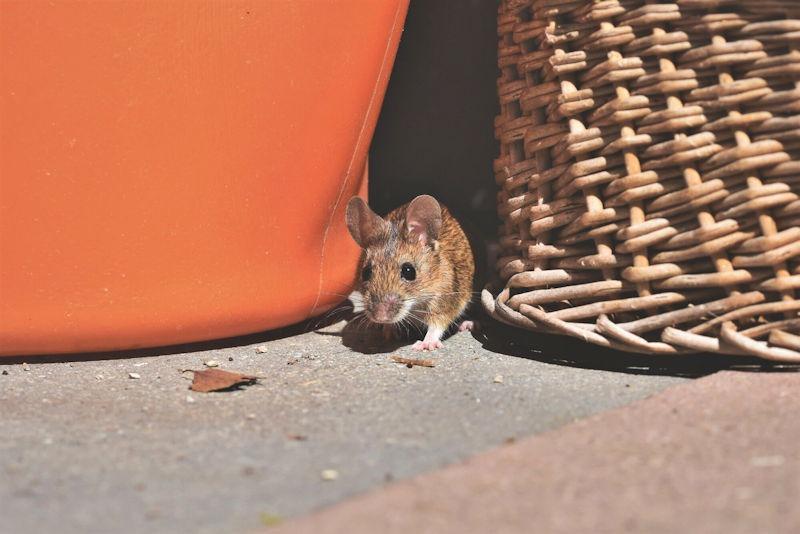
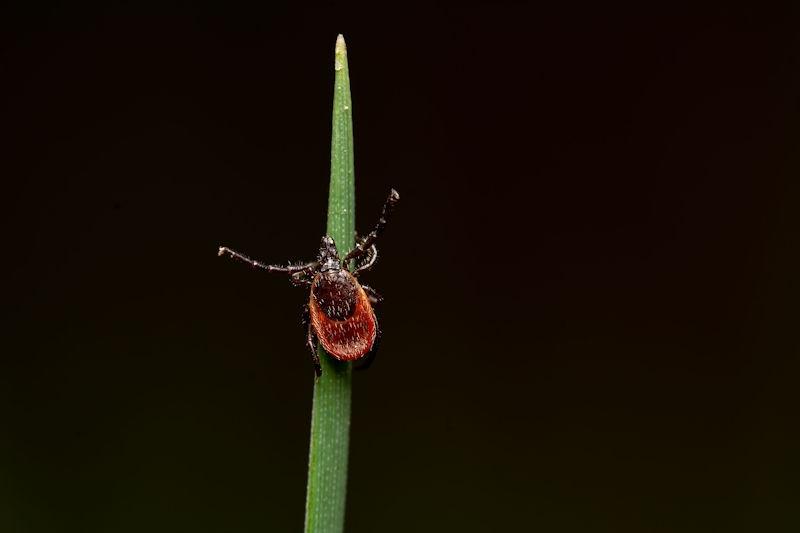
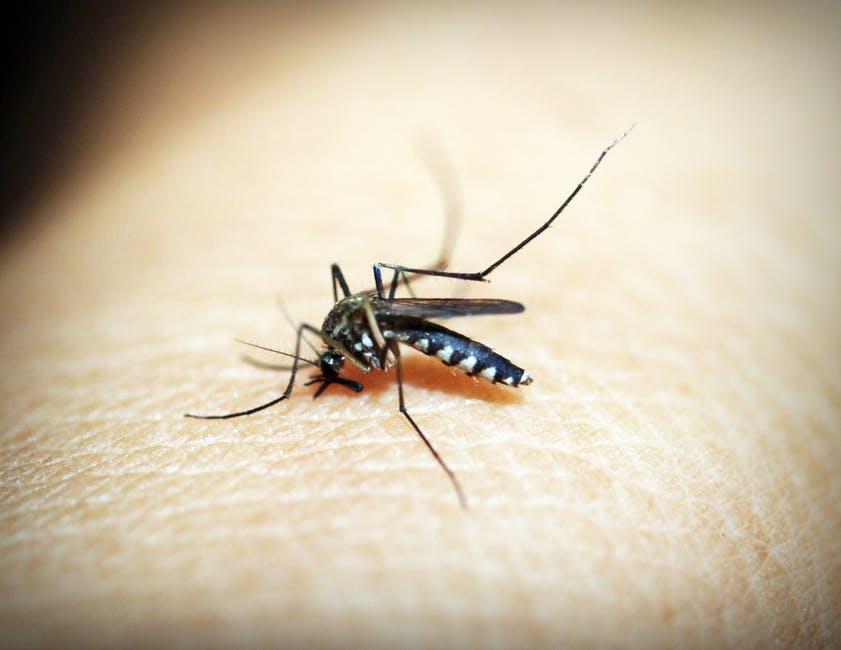
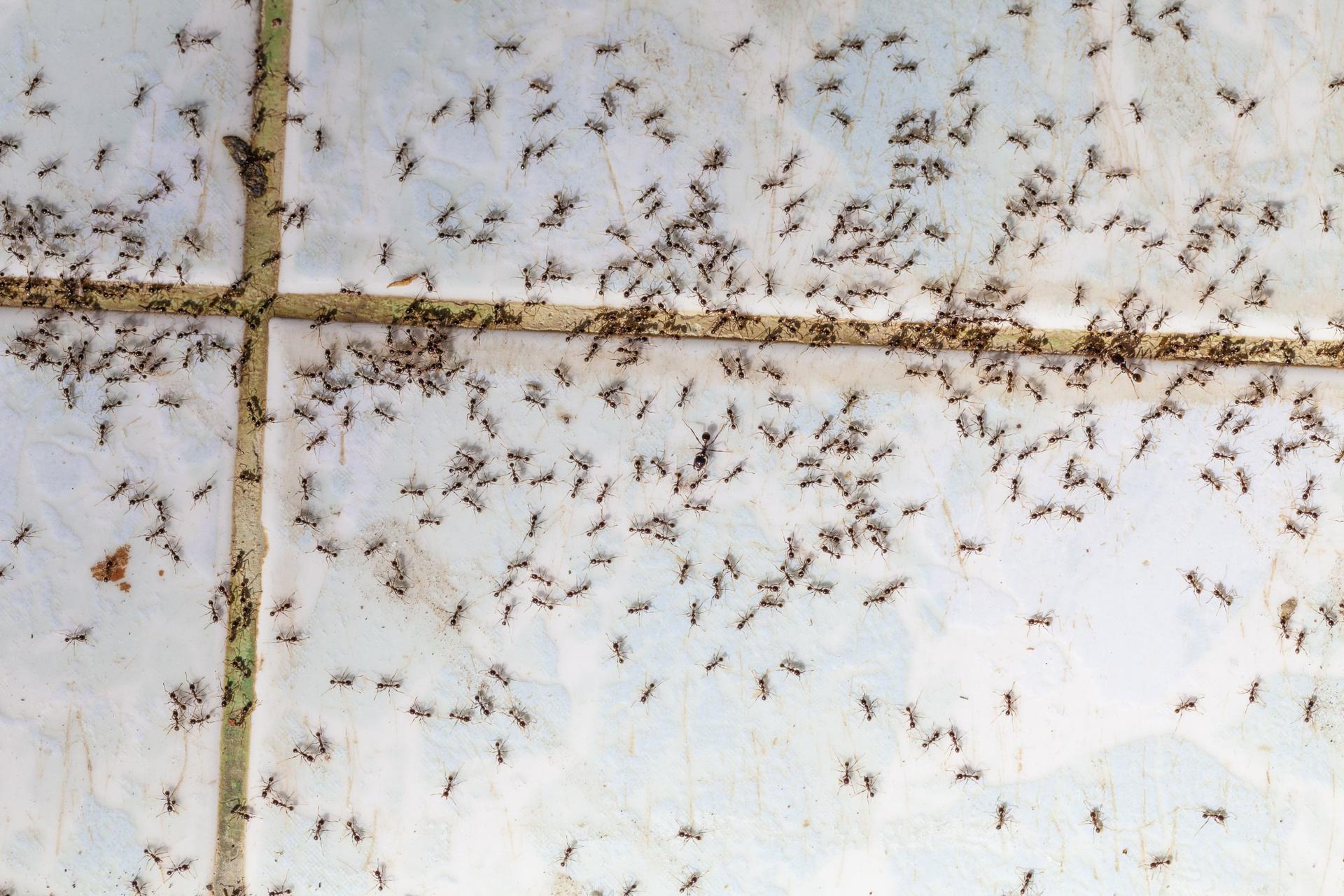
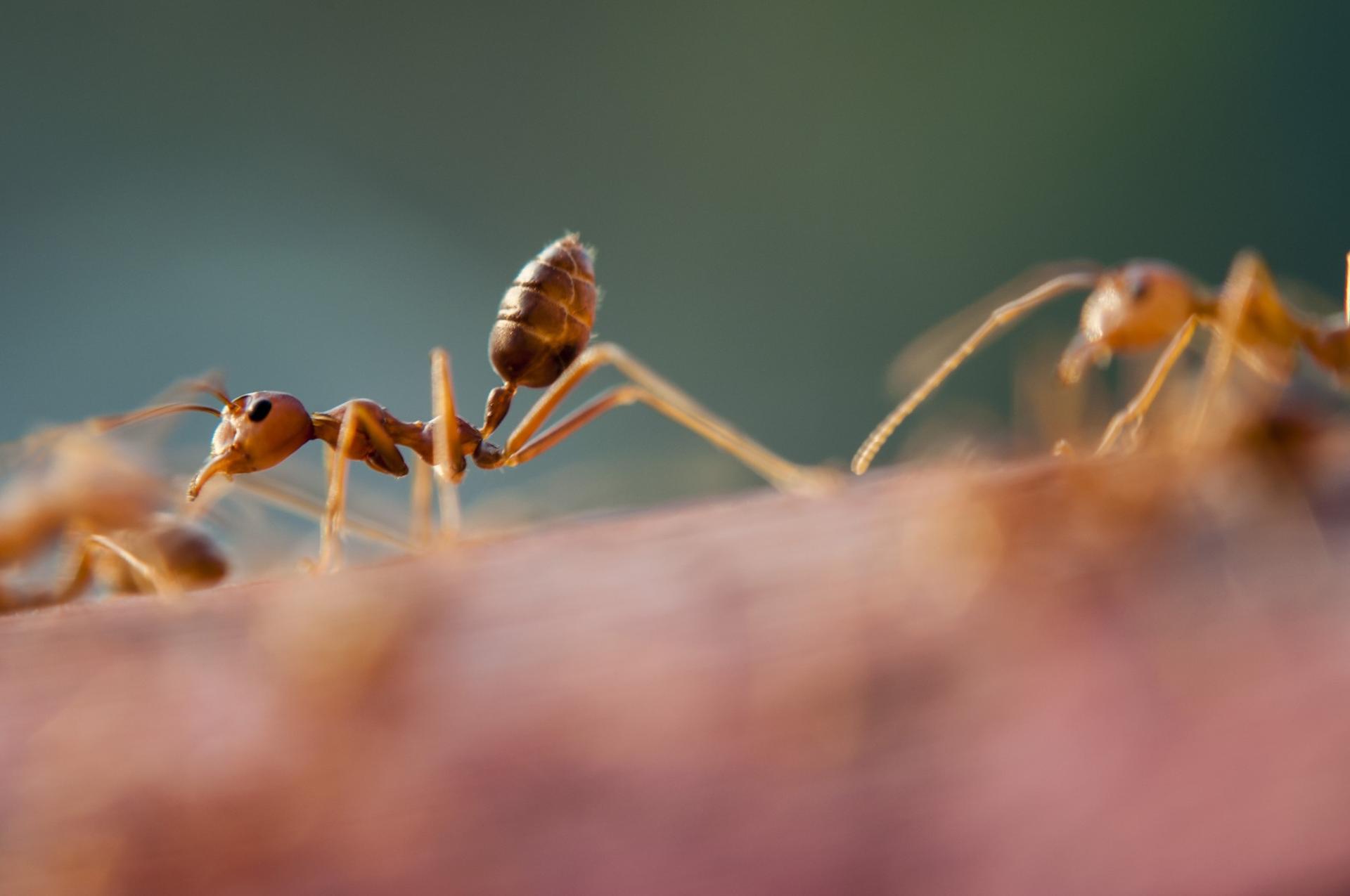
These environments support insects and animals that typically live outdoors but may eventually move closer to homes. Ants build colonies in soil and mulch beds, rodents travel along foundation edges and wooded property lines, ticks remain active in shaded vegetation, and mosquitoes develop in standing water found in landscaped yards and drainage areas.
Seasonal climate also influences pest behavior. Warm humid summers support insect development, while fall temperature changes often encourage rodents and spiders to move closer to structures in search of shelter.
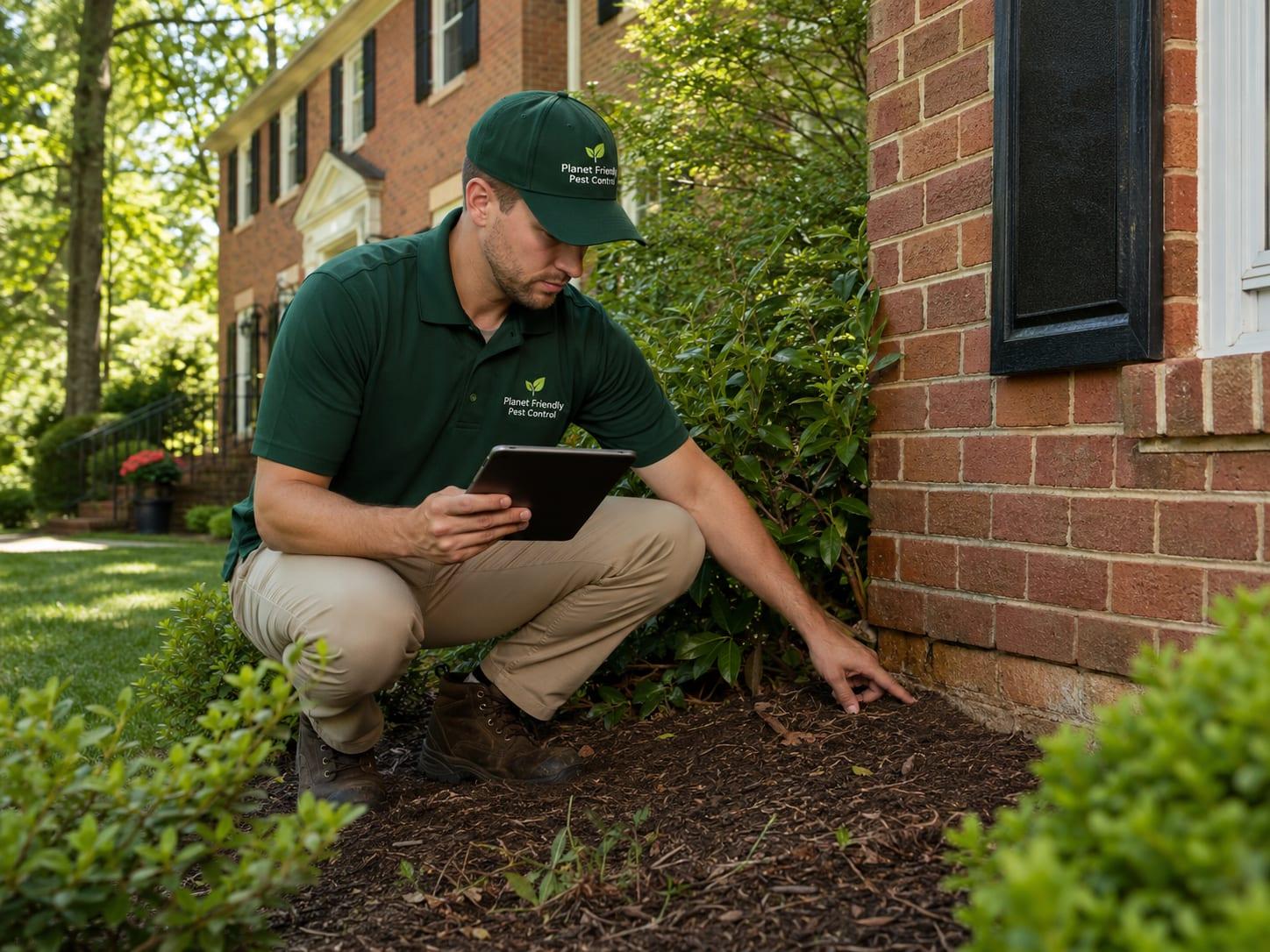
Many Northern Virginia homes include crawlspaces, basements, patios, decks, retaining walls, and landscaped foundation beds that create transition zones between the outdoor environment and the structure itself. These areas often become the starting point for pest activity that later appears indoors.
Understanding how these environmental conditions influence pest behavior helps explain why pest problems in Northern Virginia often begin outside the home.