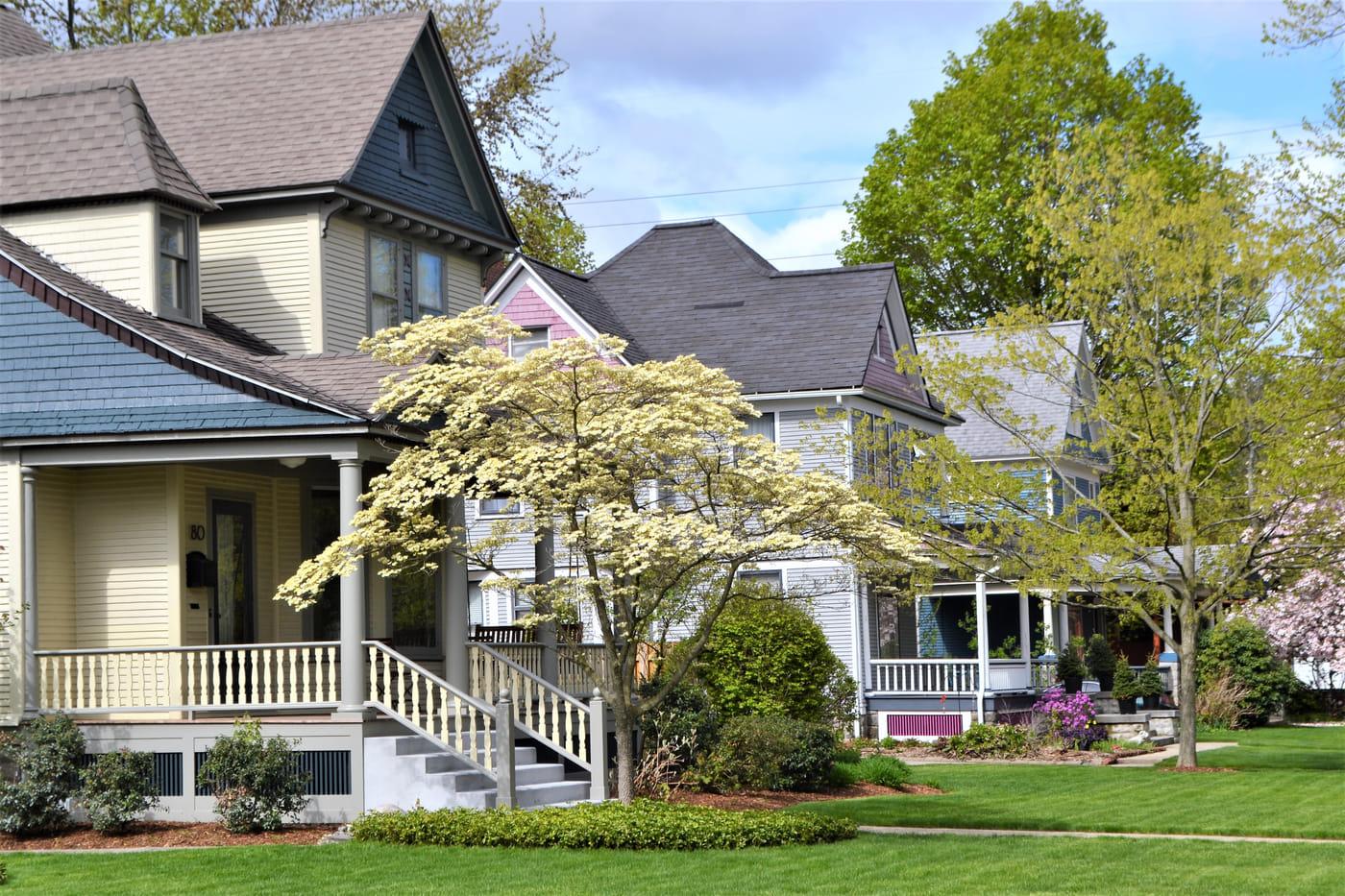
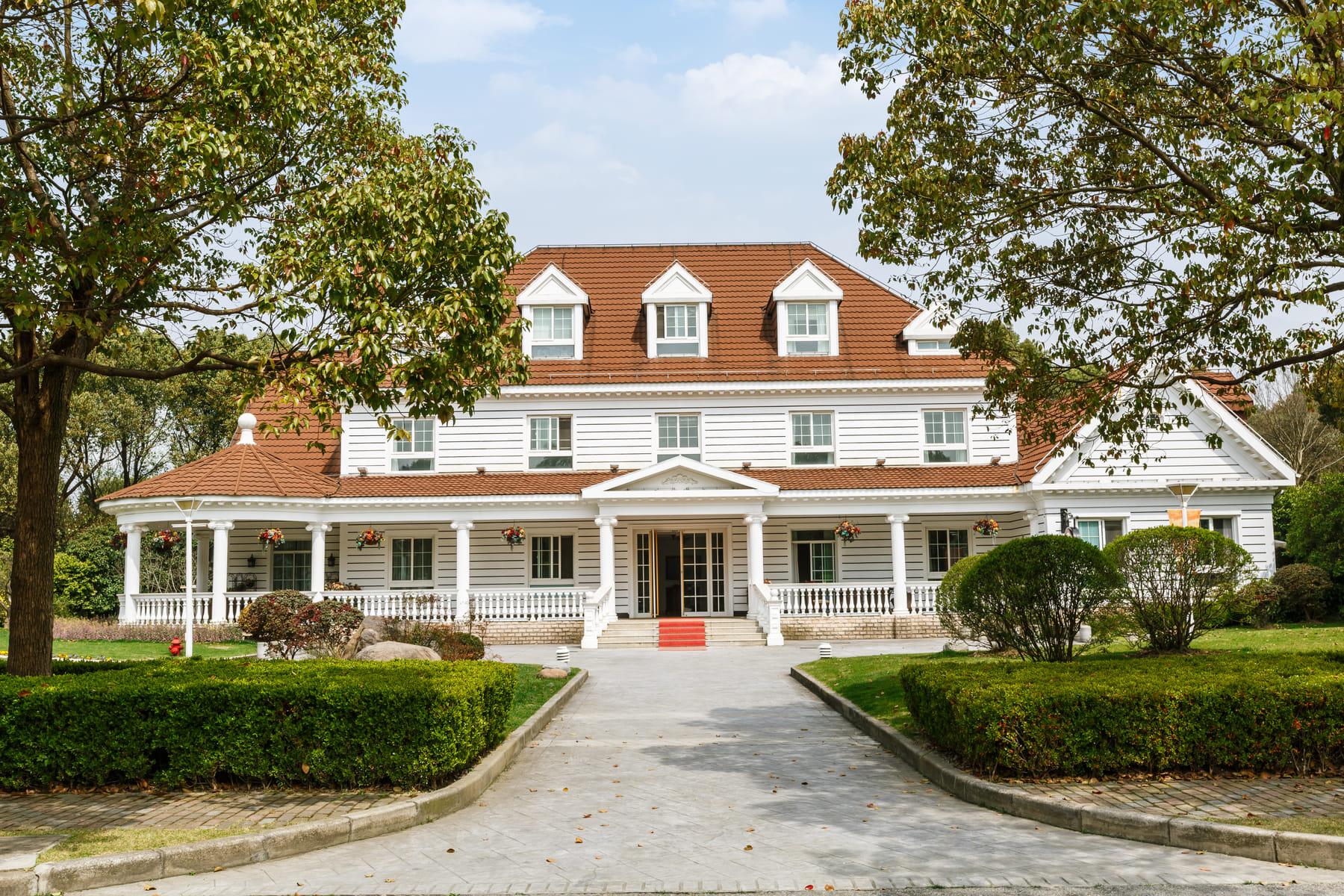
A warm single-family home at dusk in Owings, Maryland
Owings, Maryland · Homes with pets

Pest Control Solutions in Owings for Homes With Pets

(And What Actually Solves Pest Problems Long-Term)

Schedule Your Free Initial Site Inspection

Free & no obligation · By appointment · Owings & Calvert County

01

Local overview · Owings MD

Understanding Pest Activity in Owings

In Owings Maryland, pest problems often begin outside the home before activity becomes noticeable indoors. Wooded neighborhoods, larger residential lots, and Southern Maryland's humid climate create conditions where ants, rodents, termites, spiders, and mosquitoes develop around homes. Effective pest control in Owings typically begins with a careful exterior inspection to identify where pest activity starts and what environmental factors support it. For homes with pets, a thoughtful approach focuses on understanding outdoor pest behavior and using targeted treatments only when necessary.

Pest activity often develops in these outdoor environments before becoming visible indoors.

Owings is a residential community in northern Calvert County where many homes are situated on larger lots surrounded by trees, open land, and natural drainage areas. The area blends suburban development with rural characteristics, which creates a unique environment for pest activity around homes.

Many Owings properties include wooded backyards, landscaped foundations, and outdoor structures such as decks, sheds, and garages. These features create natural transition zones between the surrounding landscape and the home. Pest activity often develops in these outdoor environments before becoming visible indoors.

The region's proximity to the Chesapeake Bay watershed also contributes to higher humidity levels and consistent soil moisture. These conditions support insects that rely on damp environments, including ants and termites. Wooded edges and open land provide habitat for rodents, ticks, and other wildlife that may move closer to homes over time.

Homes throughout Owings often include crawlspaces and shaded yard areas where moisture can remain present. These conditions influence how pest populations develop and why activity typically begins outside the structure.
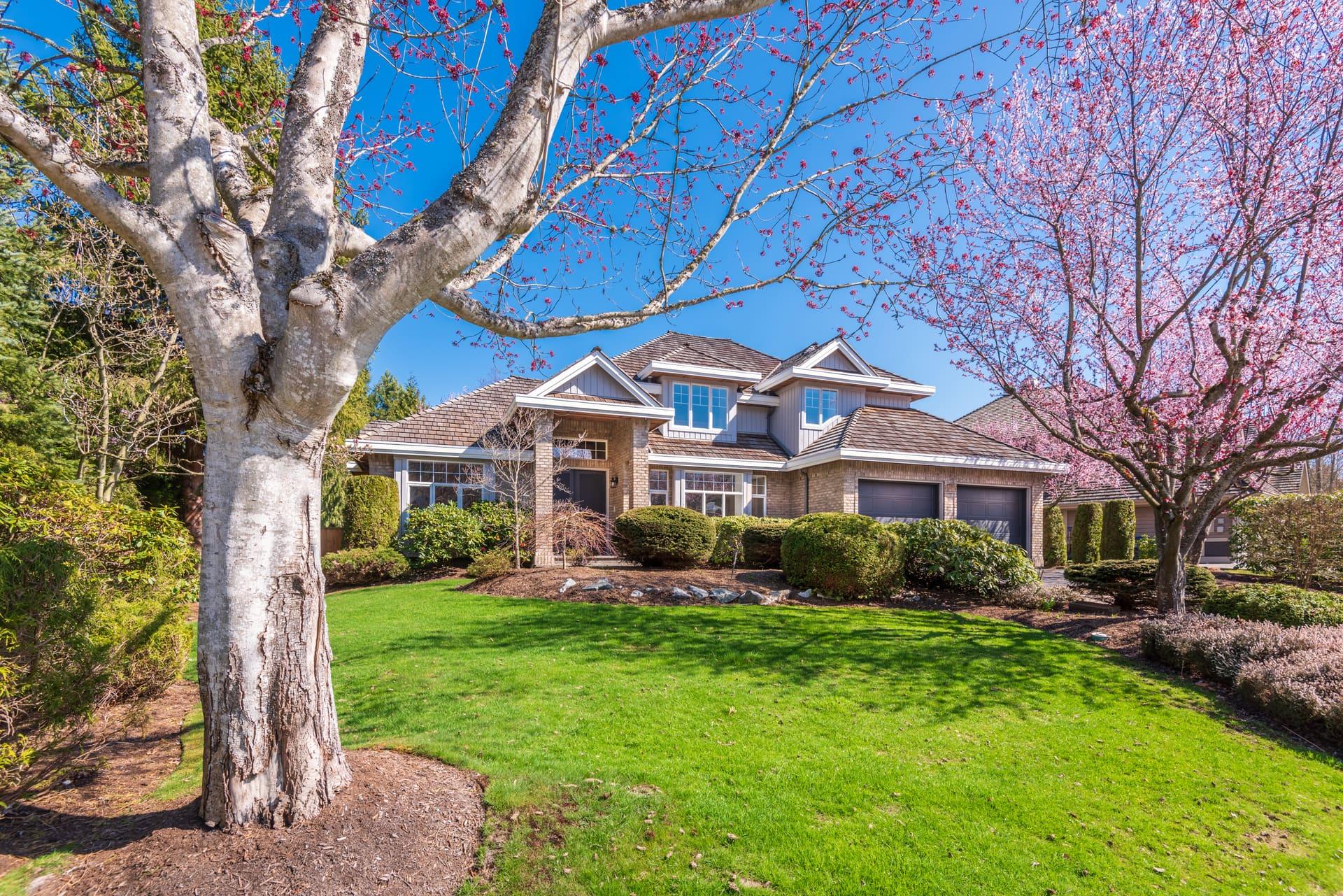
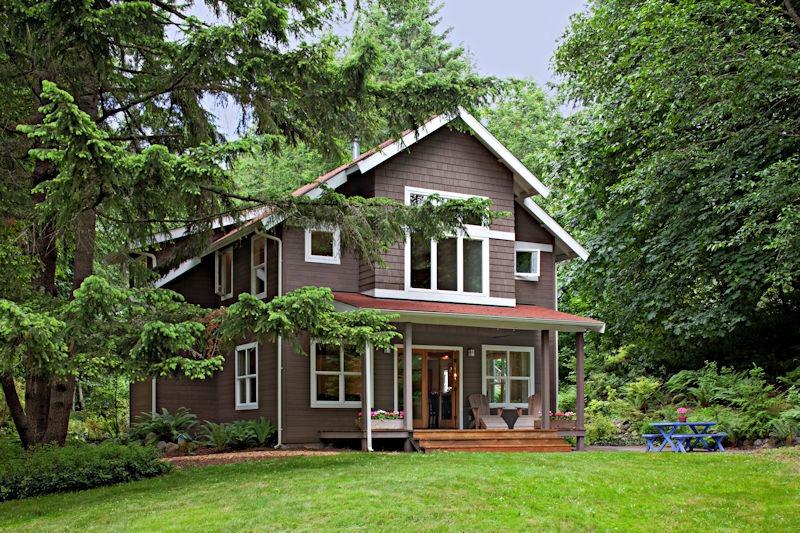
A craftsman-style Owings home set among mature trees on a wooded lot
Built for homes with petsInspection-first, exterior-first
02

Why Pest Problems Often Start Around Homes in Owings

Where it starts

  • Ants
  • Rodents
  • Ticks
  • Mosquitoes
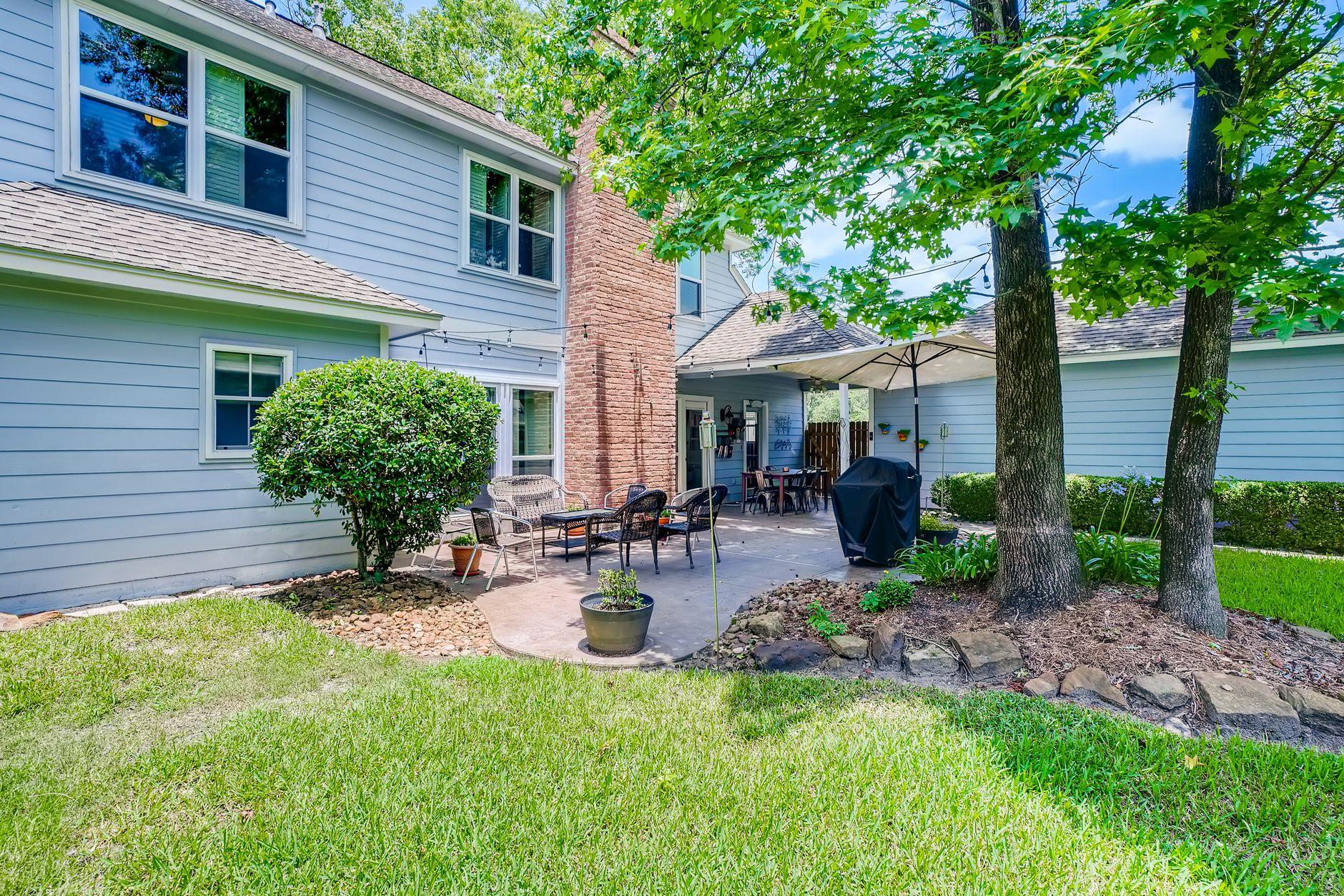
A single-story Owings home with a wooden deck backed by pines and lawn

Most pest activity around homes in Owings begins outdoors because insects and rodents naturally live in soil, vegetation, and wooded areas surrounding residential properties.

Mulch beds near foundations create moisture-rich environments that support ant colonies. Exterior lighting attracts flying insects, which then attract spiders. Moist soil conditions support termite activity, especially where wood structures are close to the ground.

Rodents often establish nesting areas along wooded edges or beneath outdoor structures before moving closer to homes. Small gaps around foundations, crawlspace vents, and garage doors can allow pests to enter once outdoor populations increase.

Because these environmental conditions are common in Owings, pest problems usually begin outside before becoming noticeable indoors.

How Pests Behave Around Homes in Owings

Across Owings neighborhoods, pest activity often reflects the surrounding natural landscape and residential layout.

Ant colonies commonly develop in soil and mulch beds around foundations where moisture supports nesting. Rodents frequently establish burrows along wooded property edges, beneath decks, or near sheds before moving toward crawlspaces or garages.

Spiders often gather near exterior lighting because flying insects are attracted to porch and garage lights during warm evenings. Mosquito activity frequently develops in shaded yard areas, drainage zones, and places where water collects after rainfall.

During inspections across Owings homes, technicians often find that indoor pest activity originates from outdoor conditions surrounding the home.

A shaded Owings backyard with mature trees and foundation beds

Environmental Risk Factors in Owings

Several environmental conditions in Owings influence pest activity around homes. Wooded property lines are common throughout the area and provide habitat for rodents, ticks, and insects. Larger residential lots often include shaded landscaping that retains moisture, creating favorable conditions for insect populations.

Natural drainage areas, low-lying yard sections, and nearby creeks can contribute to mosquito activity during warmer months. Landscaping around foundations, especially mulch beds, helps retain moisture and provides shelter for insects.

The combination of suburban development and natural surroundings creates an environment where pest activity develops outdoors before interacting with homes.

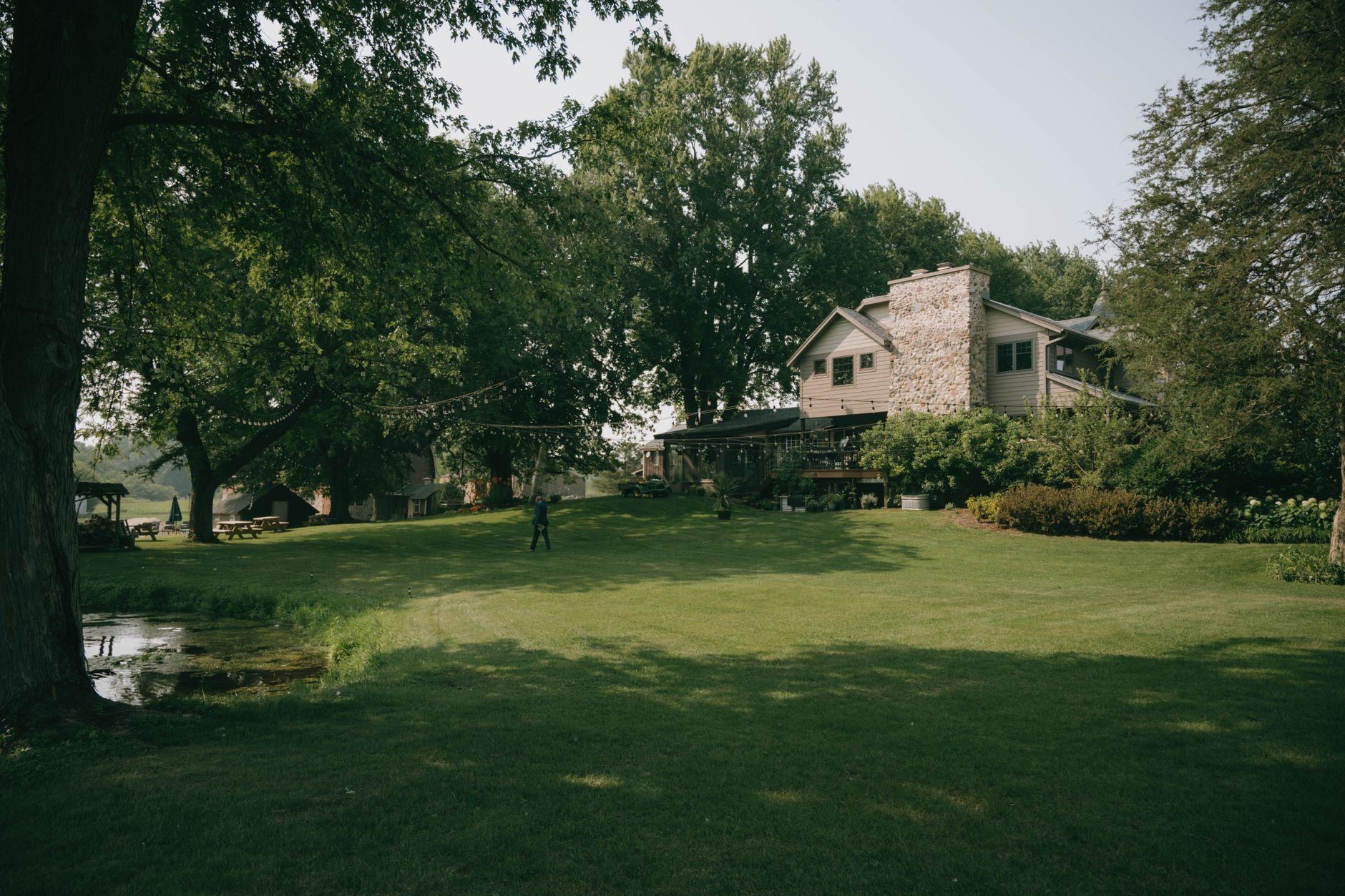
A larger Owings lot with mature trees and a nearby creek — the moisture and shade pests favor
03

Common Pest Conditions in Owings

01Common Pest

Landscaping and Foundation Moisture

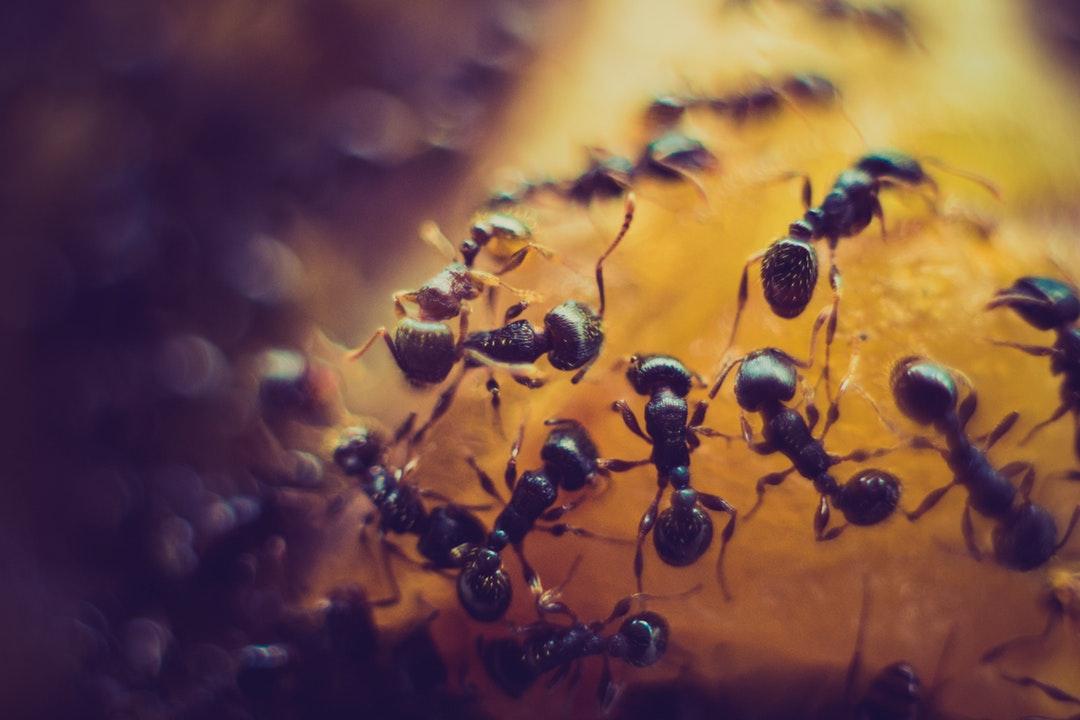
Mulch beds around foundations retain moisture and provide ideal nesting environments for ants and other insects.

Ant activity around a damp foundation and mulch bed in OwingsCondition 01

02Common Pest

Wooded Property Edges

Homes near wooded areas often experience increased rodent and tick activity as wildlife moves between natural habitats and residential spaces.

Wooded property edge beside an Owings homeCondition 02

03Common Pest

Seasonal Pest Movement

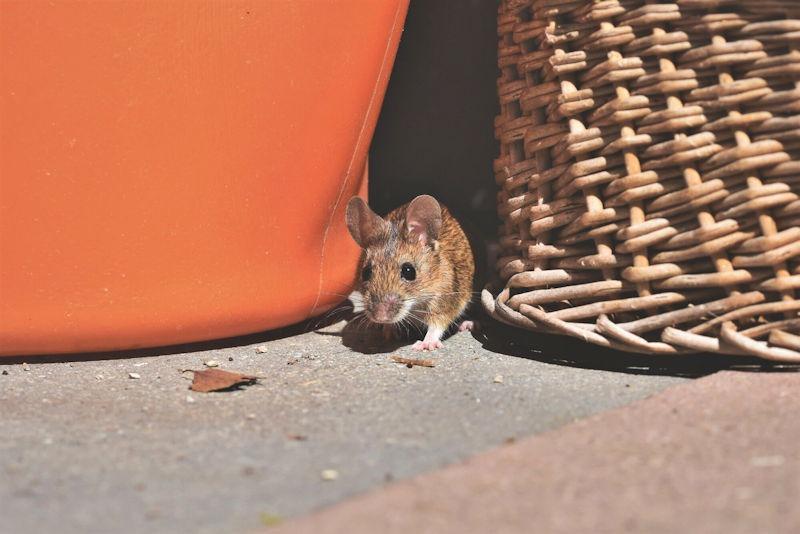
Spring and summer bring increased insect activity, while fall often leads rodents to seek shelter closer to homes.

House mouse — rodents move toward Owings homes in the fallCondition 03

04Common Pest

Exterior Lighting and Insect Activity

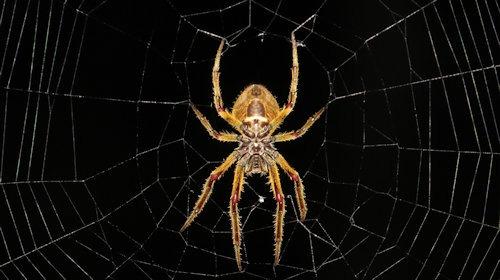
Exterior lighting attracts flying insects, which in turn attract spiders and other predators around entryways and garages.

Spider web near exterior lighting where flying insects gatherCondition 04
04

What We Commonly See During Pest Inspections in Owings

  1. 01

    During inspections across Owings homes, Planet Friendly Pest Control technicians frequently observe pest activity developing in the outdoor environment surrounding residential structures.

  2. 02

    In properties with wooded backyards, technicians often find rodent activity beginning along fence lines and beneath decks before rodents move into crawlspaces or garages.

  3. 03

    Homes with landscaped foundation beds frequently show ant colonies developing beneath mulch where moisture supports nesting.

  4. 04

    In areas with natural drainage or shaded yards, mosquito activity is commonly observed during warmer months, especially where water collects after rainfall.

  5. 05

    These inspection patterns consistently show that pest activity in Owings typically begins outside the home.

Pest Issues Common in Owings

House mouse — rodent activity common around Owings properties

Rodent Activity in Owings

Rodents are commonly found in areas where wooded land meets residential properties. In Owings, they often nest along tree lines, beneath sheds, and near outdoor structures.

During inspections across Owings, technicians frequently observe rodent burrows developing along wooded property edges before any indoor activity is noticed. As temperatures cool, rodents may move into crawlspaces, garages, or attic spaces seeking shelter.

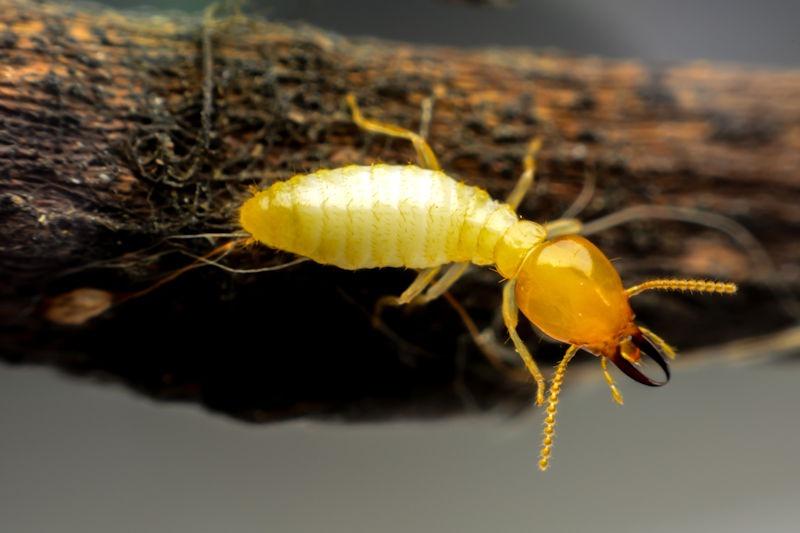
Termites — a moisture-driven risk for Owings homes

Termite Risk in Owings

Termites thrive in Owings due to warm temperatures and moist soil conditions. They depend on soil moisture and wood contact to survive.

During inspections, termite activity is often found near foundation walls where mulch beds retain moisture. Wooden structures such as deck posts and fencing in contact with soil can provide access points. Crawlspaces with higher moisture levels may increase termite risk.

Roach Activity in Owings

Roach activity in Owings homes is often influenced by moisture and access to food. Kitchens, basements, and garages provide environments where roaches can survive indoors.

Roaches may enter homes through small openings around plumbing lines, foundation gaps, or garage doors. Outdoor sources such as landscaping beds and drainage areas can contribute to their presence.

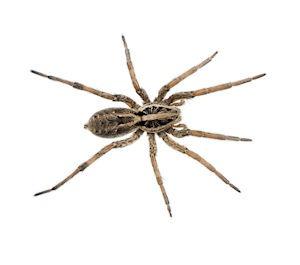
Wolf spider — general insect activity around Owings homes

General Pest Activity (Ants, Spiders, and Other Insects)

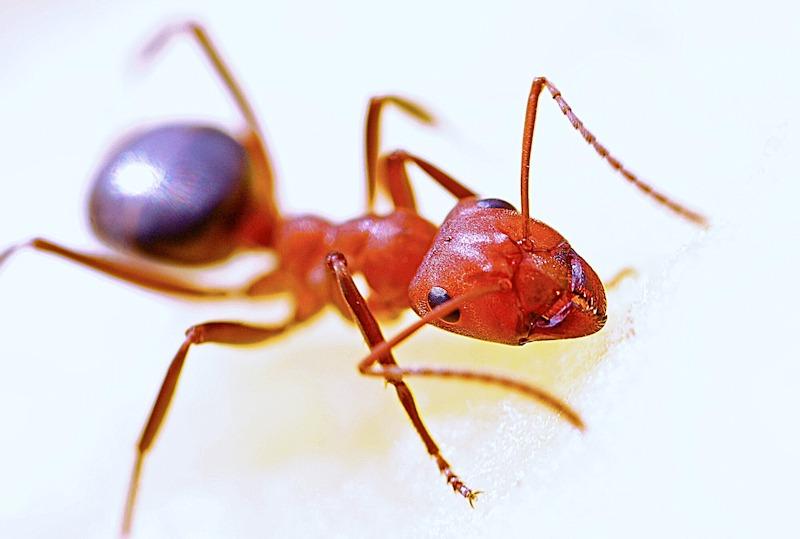
Ants commonly nest in soil and mulch around foundations before entering homes. Spiders gather around exterior lighting where insects are present. Other occasional pests may enter homes when outdoor insect populations increase during warm and humid conditions.

Seasonal Pest Activity Timeline

Pest pressure in Owings shifts with the seasons — here is what typically drives activity through the year.

SeasonCommon Pest Activity
SpringAnt colonies expand and termite swarms may occur
SummerMosquito and spider populations increase
FallRodents move closer to homes seeking shelter
WinterIndoor pest activity becomes more noticeable

Regional field guide

Regional Pest Pattern Table

How the most common pests move from an outdoor source toward the home — and where activity usually starts.

PestCommon SourceWhere Activity Begins
AntsAnts
Soil and mulch bedsFoundation landscaping
RodentsRodents
Outdoor burrowsCrawlspaces and garages
TicksTicks
Leaf litter and wooded areasLawn edges
SpidersSpiders
Flying insectsPorches and lighting
MosquitoesMosquitoes
Standing waterYard drainage areas

Home Inspection Checklist for Owings

Homeowners in Owings often benefit from checking environmental conditions around the home that may support pest activity.

Common inspection points include mulch touching foundations, gaps around garage doors, moisture near crawlspaces, standing water in yard areas, tree limbs touching roofs, and exterior lighting that attracts insects.

Addressing these conditions can help reduce pest activity around residential structures.

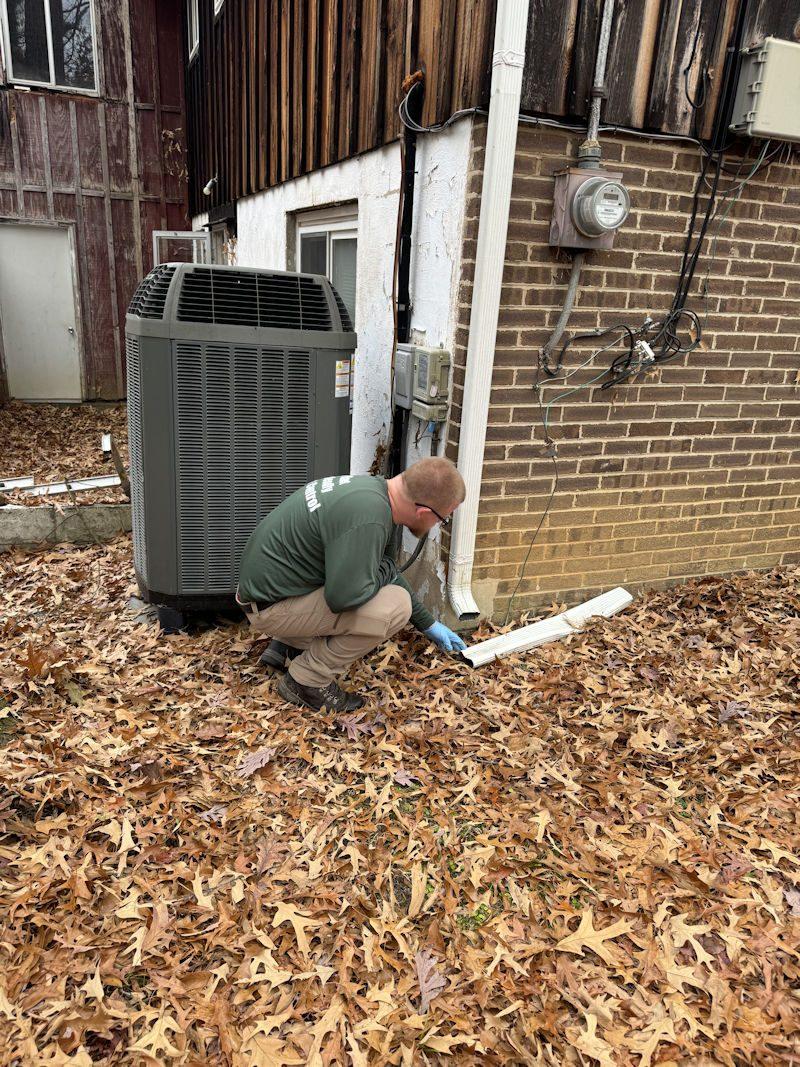
A Planet Friendly Pest Control technician checking exterior points around an Owings home — the HVAC unit, downspout and foundation line
05

How PFPC Approaches Homes in This Area

Inspection-first · exterior-first · targeted treatment

Planet Friendly Pest Control approaches pest protection with the understanding that most pest problems begin outside the home.

Technicians begin with a detailed inspection of the exterior structure and surrounding property. Landscaping, drainage areas, wooded edges, and structural entry points are evaluated to identify conditions supporting pest activity.

When treatment is necessary, targeted solutions are used to address the source of pest activity while minimizing unnecessary product use. This approach helps provide thoughtful pest protection for homes with pets.

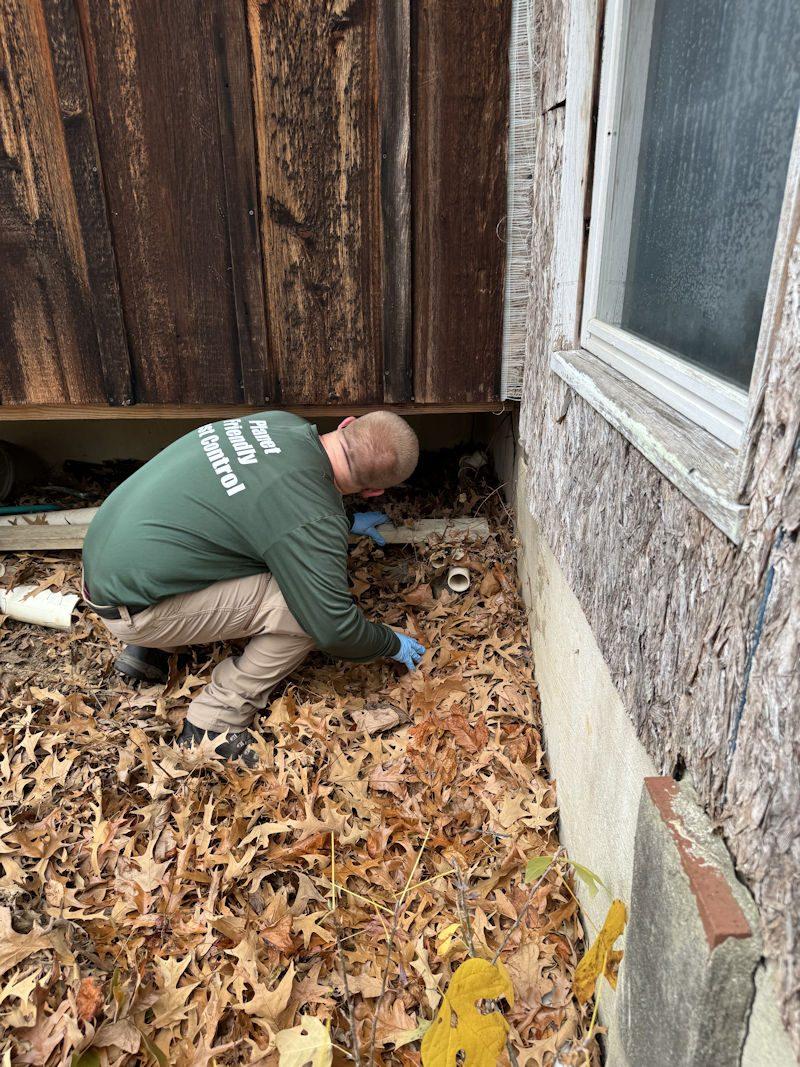
A pest-control technician inspecting a crawlspace vent and foundation entry point at an Owings home

Our process

  1. Step 01

    Inspect exterior conditions

  2. Step 02

    Identify why pests are active

  3. Step 03

    Targeted, minimal treatment

  4. Step 04

    Clear findings & recommendations

Pest Control Plans

Straightforward monthly protection

Fixed monthly pricing, month-to-month — no long-term contracts. Bed bugs and termites are not covered by any plan; rodent coverage means mice and rats.

BugBlock

Seasonal Pest Protection

$99/mo

Month-to-month · no long-term contract

General insect pests.

Not included: Bed bugs, cockroaches, termites, pantry pests, mice, rats, ticks, fleas, carpet beetles, stinging insects, and mosquitoes.

Most popular

PestBlock

Year-Round Home Protection

$159/mo

Month-to-month · no long-term contract

Everything in BugBlock plus cockroaches, pantry pests, mice & rats, ticks, and stinging insects such as wasps, hornets, and carpenter bees.

Not included: Bed bugs, termites, mosquitoes, fleas, and carpet beetles.

MaxBlock

Complete Pest & Mosquito Protection

$279/mo

Month-to-month · no long-term contract

Everything in PestBlock plus mosquitoes.

Not included: Bed bugs, termites, fleas, and carpet beetles.

Our guarantee

If a covered pest returns while the customer's service is active, Planet Friendly Pest Control will return and address the problem at no additional charge.

Flea and carpet beetle services may be available to established PestBlock and MaxBlock clients following inspection — not included as standard plan coverage.

06

Pest Protection for Homes in Owings and Nearby Communities

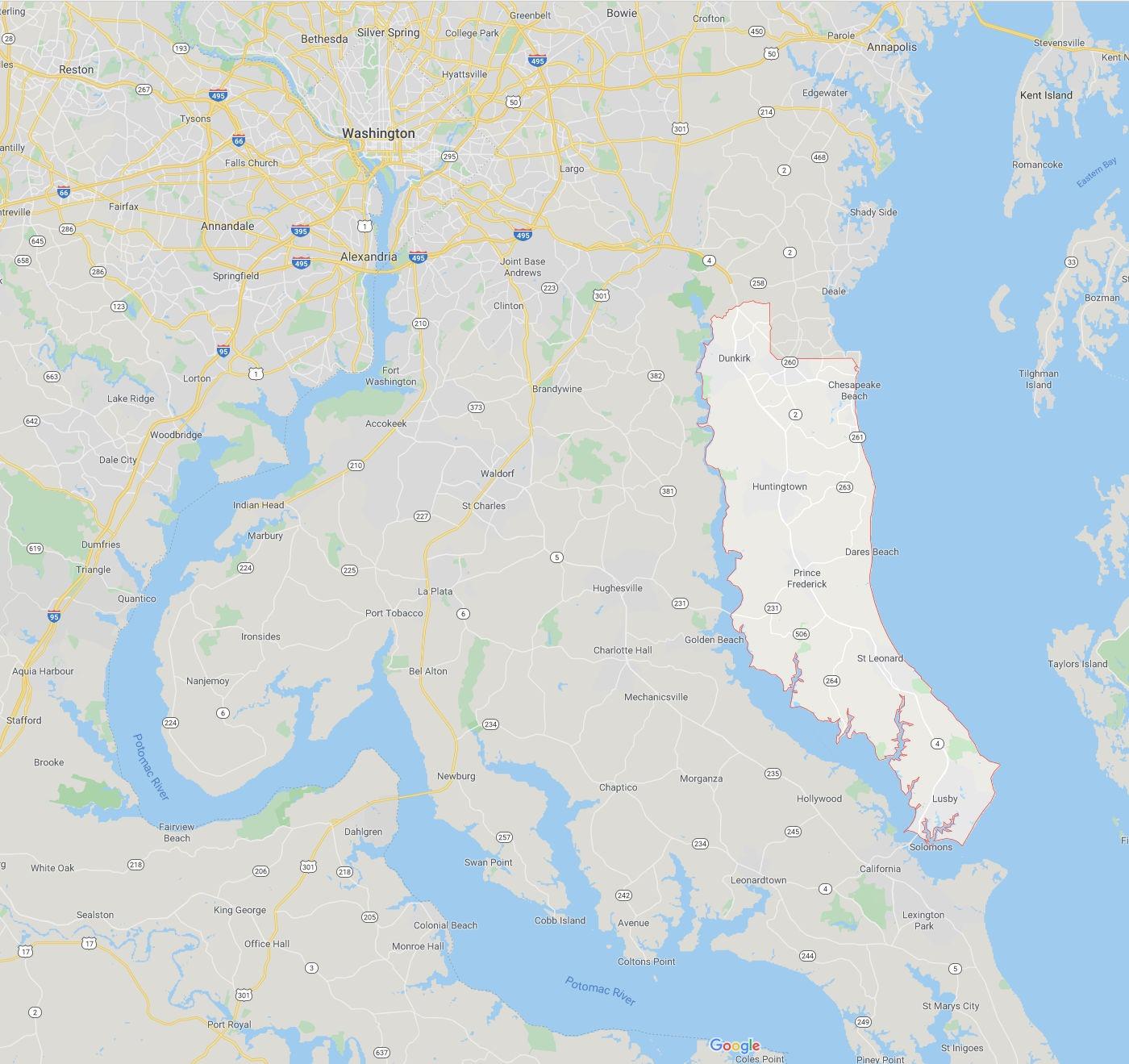
Planet Friendly Pest Control provides pest protection throughout Owings and surrounding communities in Calvert County Maryland. Nearby areas such as Dunkirk, Huntingtown, Sunderland, and Chesapeake Beach share similar environmental conditions that influence pest behavior around homes.

Homes throughout this region often experience pest activity shaped by wooded landscapes, larger residential properties, and Southern Maryland's climate.

Nearby community pages

Pest control service area map for Owings MD Owings MD
Dunkirk
Huntingtown
Prince Frederick
Sunderland
Chesapeake Beach
Serving Owings MD & surrounding communities.

Reviews

Hear From Our Happy Customers

Hundreds of Google reviews across our verified service locations.

They inspected the whole exterior first and found the moisture problem behind it. No more ants — and a clear written report after every visit.
Chris · Owings, Calvert County
  • Honest, thorough, and no pushy contracts. The exterior-first approach made sense for our wooded lot with two dogs.

    Megan

    Dunkirk, Calvert County

  • Finally a pest company that treats the outside first. Fewer treatments inside our home near the water.

    Dan

    Huntingtown, Calvert County

  • Professional, punctual, and genuinely knowledgeable about our part of Southern Maryland. Our yard is finally enjoyable again.

    Kareem

    Prince Frederick, Calvert County

07

Frequently Asked Questions

Still have a question about Owings MD?

Talk to a local expert — no pressure, no obligation.

Ant colonies often develop in soil and mulch beds around foundations where moisture supports nesting. Owings homes frequently include landscaped areas and shaded yards that create ideal conditions. Once colonies establish outdoors, ants may enter homes searching for food. Exterior inspection helps identify these nesting locations.

Rodents begin seeking shelter as temperatures drop. In Owings, they often start along wooded edges or outdoor structures before moving closer to homes. Crawlspaces and garages provide protected environments. This seasonal movement increases visibility.

Spiders gather where insects are present. Exterior lighting attracts flying insects at night, which in turn attract spiders. This creates higher activity around entryways and garages. Reducing insect activity can help reduce spiders.

An inspection-first approach helps reduce unnecessary product use. Treatments are applied only where needed based on identified pest activity. This supports a more controlled environment for pets and people. Understanding pest conditions is an important step.

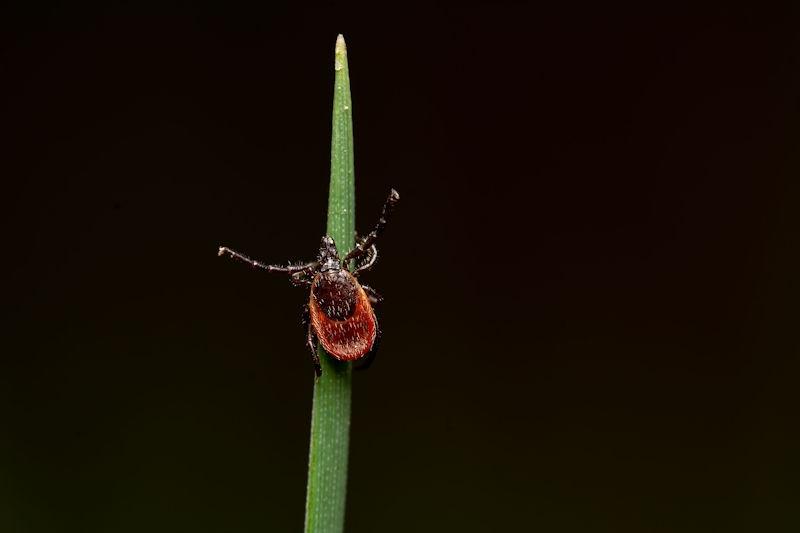
Ticks are commonly found near wooded edges and tall vegetation in Owings. Pets moving through these areas may encounter tick habitat during warmer months. Managing vegetation and monitoring yard conditions can help reduce exposure. Inspection helps identify higher-risk areas.

Rodents can introduce contamination through droppings and nesting materials. In many cases, activity begins outdoors before entering the home. Identifying and addressing these conditions early can reduce risk. Inspection helps locate entry points.

Most pest problems begin outside the home. Exterior inspection helps identify environmental conditions supporting pest activity. This allows technicians to understand how pests are developing. It also helps guide effective solutions.

Targeted treatments focus on the source of pest activity. This approach reduces unnecessary product use and improves effectiveness. It supports a more thoughtful pest control strategy. Identifying the source is key.

Pest problems may return if environmental conditions remain unchanged. Moist soil, landscaping, and structural gaps can continue to attract pests. Addressing these underlying conditions is important. Inspection helps identify contributing factors.

Pest activity is typically highest during spring and summer when temperature and humidity support insect development. Ants, mosquitoes, and spiders are more active during these months. Rodents become more noticeable in fall. Seasonal patterns influence pest behavior.

A pest inspection focuses on the exterior of the home and surrounding property. Technicians evaluate landscaping, moisture, and potential entry points. This helps identify where pest activity begins. The goal is to understand contributing conditions.

Yes, small landscaping adjustments can reduce pest pressure. Reducing mulch depth, improving drainage, and trimming vegetation can make areas less attractive to pests. These changes are often identified during inspections. Environmental adjustments can influence pest activity.
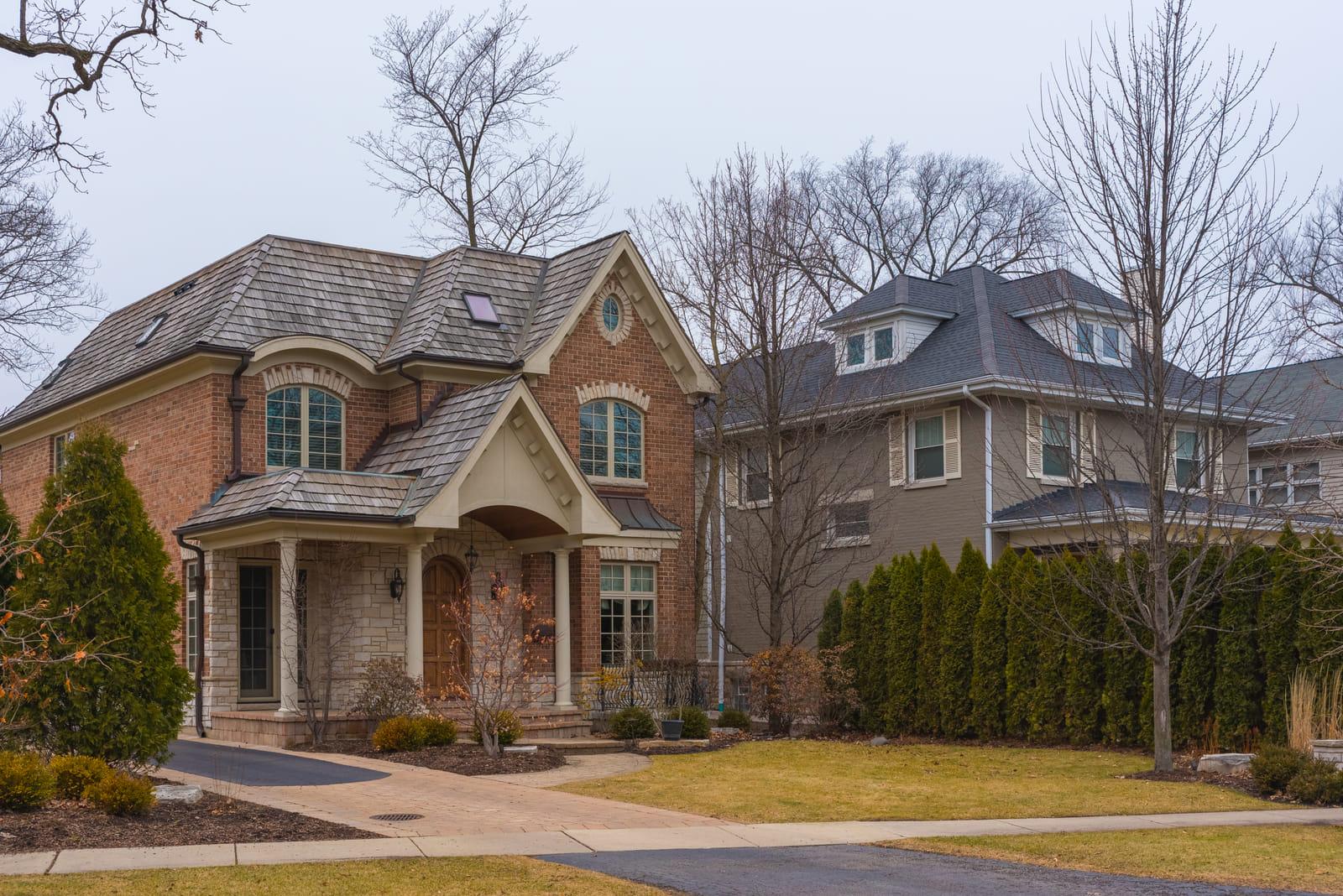
A single-family suburban home in Owings, Maryland
09

A Practical First Step

For homeowners in Owings, pest activity is often a reflection of environmental conditions around the home rather than a problem that begins indoors.

A careful inspection can help identify where pest activity begins and what conditions may be supporting it. Understanding these patterns allows homeowners to make informed decisions about pest protection.

Planet Friendly Pest Control provides inspection-driven pest protection throughout Owings, helping homeowners maintain comfortable homes while supporting thoughtful pest management for households with pets.