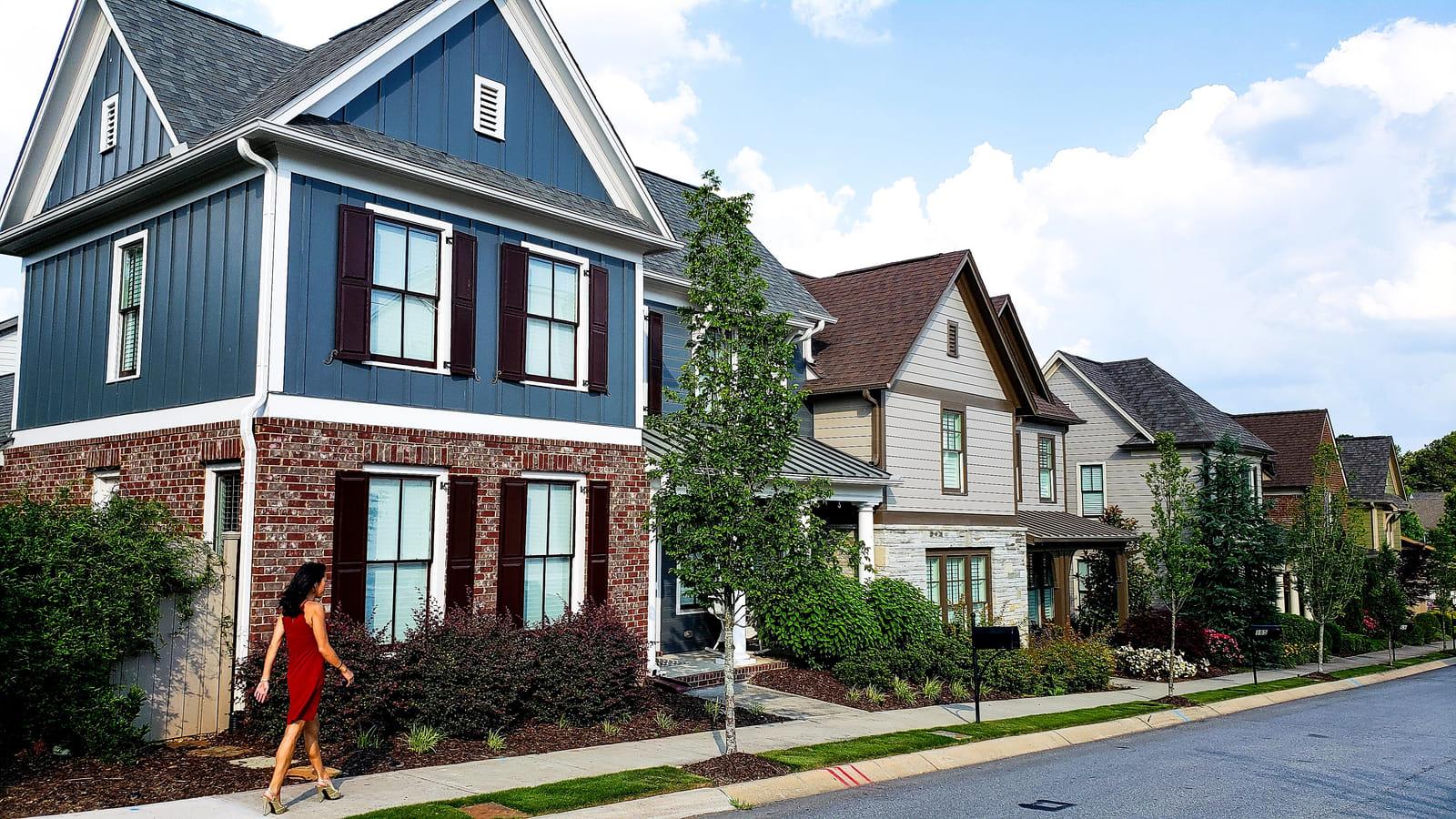
A handsome Chesapeake waterfront home with a private dock in Southern Maryland — the home environment where pest activity begins outdoors
Service Area · Southern Maryland

Pest Control in Southern Maryland for Homes With Pets

(And What Actually Stops Them Long-Term)

Get Your Inspection Today

Free & no obligation · By appointment · Southern MD & Northern VA

Pest control in Southern Maryland

In Southern Maryland, most pest problems begin outside the home before activity is noticed indoors. Wooded landscapes, waterfront environments, humid summers, and dense landscaping create conditions where ants, rodents, ticks, spiders, and mosquitoes naturally live around homes. Effective pest control in Southern Maryland begins with a careful exterior inspection that identifies where pest activity starts and what environmental conditions are supporting it. For homes with pets, the most thoughtful approach is inspection-driven pest protection that focuses on understanding outdoor pest behavior and using targeted treatments only when necessary.

Understanding Pest Activity Around Southern Maryland Homes

Southern Maryland includes a diverse landscape of wooded neighborhoods, waterfront communities, farmland, and expanding suburban developments. Homes throughout the region often sit near forests, creeks, marshland, and large tree canopies that provide natural habitat for many pests.

These environments support insects and animals that live primarily outdoors but occasionally move closer to residential structures. Ants nest in soil and landscaping, rodents travel along wooded edges, ticks remain active where lawns meet tree lines, and mosquitoes develop in areas where water collects after rain.

The region's warm, humid climate allows pest populations to remain active for much of the year. Unlike colder northern climates where winter shuts down many pest populations, Southern Maryland's milder winters allow some pests to remain active around homes year-round.

Many properties also include crawlspaces, decks, patios, detached garages, and sheds that create transition zones between outdoor environments and the structure itself. These areas often become the starting point for pest activity that later appears inside the home.

Understanding how the outdoor environment shapes pest behavior is often the first step toward solving pest problems around homes in Southern Maryland.


A Southern Maryland home with landscaped beds and lawn — where pest pressure begins in the surrounding landscape

Regional Pest Behavior Patterns

Across Southern Maryland, pest activity tends to follow predictable environmental patterns.

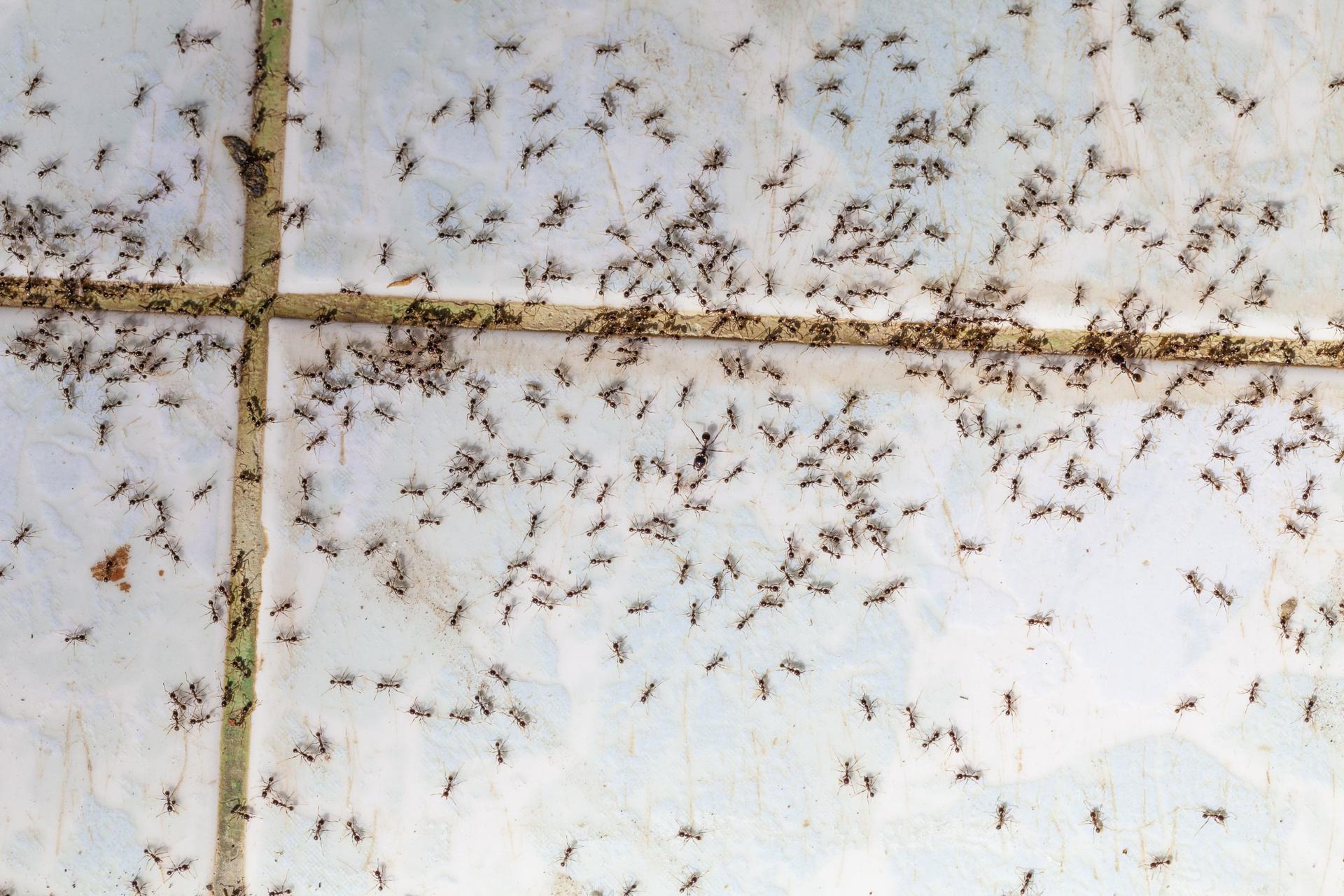
Ant colonies frequently establish themselves in soil and mulch beds surrounding homes where moisture and organic material provide ideal nesting conditions. Rodents often nest outdoors beneath decks, along wooded property edges, or in sheds before entering crawlspaces or attic spaces.

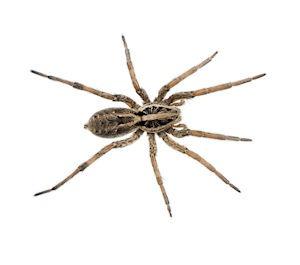
Ticks are particularly common along wooded property lines and shaded lawn edges where deer and small wildlife travel through residential yards. Spiders commonly gather near exterior lighting because flying insects are naturally attracted to light sources around porches and entryways.

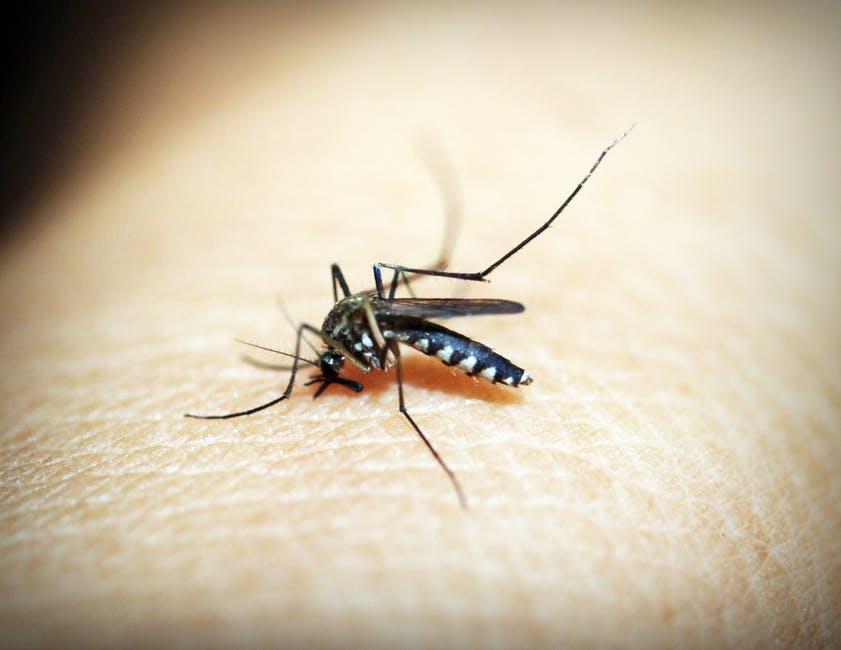
Mosquitoes thrive in shaded vegetation and areas where water collects after rain, especially in communities located near the Chesapeake Bay, the Potomac River, and smaller creeks throughout the region.

These observations reinforce a common pattern seen during inspections: the pest that appears indoors is often responding to conditions developing outside the home.

Common Pest Conditions in Southern Maryland

Landscaping and Foundation Moisture

Many Southern Maryland homes include landscaping beds and mulch installed directly along the foundation. These areas retain moisture and organic material that support ant colonies and other insects. Irrigation systems, downspouts, and shaded soil can further increase moisture levels around the base of the home.

Wooded Property Edges

Homes located near wooded areas often experience increased activity from rodents, ticks, and wildlife. Leaf litter, fallen branches, and dense vegetation create habitat that allows pests to move easily between wooded environments and residential yards.

Seasonal Pest Movement

Seasonal changes influence pest behavior throughout the year. Warmer spring and summer months increase insect development, while cooler fall temperatures often encourage rodents and spiders to move closer to structures in search of shelter.

Exterior Lighting and Flying Insects

Exterior lighting attracts flying insects at night. These insects then attract spiders and other predators that gather near entryways, garage doors, and porch ceilings.

Local Expertise Observations

  1. 01

    During inspections across Southern Maryland homes, Planet Friendly Pest Control technicians frequently see pest activity developing in outdoor areas that homeowners may not immediately notice.

  2. 02

    In Charles County communities such as Waldorf and La Plata, ant colonies commonly develop in damp mulch beds along foundations. In St. Mary's County neighborhoods including Lexington Park, California, and Leonardtown, wooded property edges often create environments where ticks remain active along lawn transitions.

  3. 03

    Across Calvert County communities like Prince Frederick, Lusby, and Chesapeake Beach, mosquito activity frequently develops around shaded yards where drainage patterns allow water to collect after rain.

  4. 04

    Rodent activity throughout Southern Maryland often begins around sheds, crawlspace entry points, woodpiles, and detached garages where shelter and access routes overlap.

  5. 05

    These patterns reinforce a key observation: pest activity usually begins in the outdoor environment surrounding the home.

Regional field guide

Regional Pest Pattern Table

How the most common pests move from an outdoor source toward the home — and where activity usually starts.

PestCommon SourceWhere Activity Begins
AntsAnts
Soil and mulch bedsAround foundations and landscaping
RodentsRodents
Outdoor burrows and wooded edgesCrawlspaces, garages, sheds
TicksTicks
Leaf litter and wooded property linesLawn-to-woods transitions
SpidersSpiders
Flying insects near lightingPorches, soffits, entryways
MosquitoesMosquitoes
Standing water and shaded vegetationYard drainage areas and low spots

How Planet Friendly Pest Control Approaches Homes in Southern Maryland

Planet Friendly Pest Control approaches pest protection with the understanding that most pest problems begin outside the home.

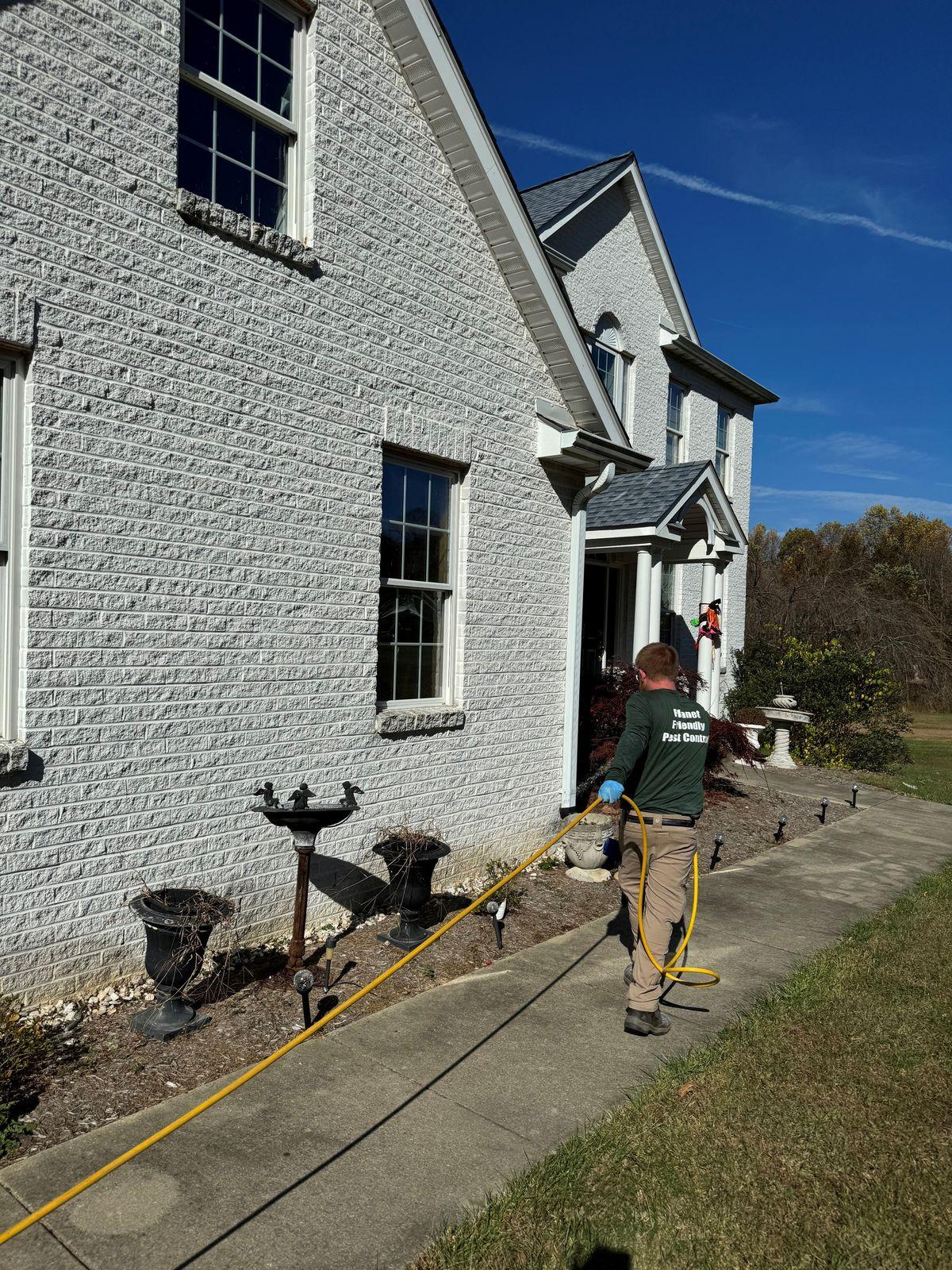
Technicians begin with a careful exterior inspection to identify environmental conditions that may be supporting pest activity. Landscaping, soil moisture, entry points, drainage patterns, and structural transitions are evaluated to understand how pests are interacting with the property.

When treatment is necessary, the goal is to use targeted solutions that address the source of the activity while minimizing unnecessary product use. This inspection-driven approach helps homeowners address pest conditions rather than simply reacting to visible pests.

For homes with pets, this thoughtful approach allows pest protection to remain practical while maintaining a comfortable environment for animals that spend time both indoors and outdoors.

A Planet Friendly Pest Control technician applying a targeted exterior barrier treatment along a Southern Maryland home's foundation

Answers

Frequently Asked Questions

Common Pest Problems

Ant colonies often develop in soil and mulch beds surrounding homes where moisture and organic material create ideal nesting conditions. Landscaped foundations and shaded soil make it easy for ants to establish colonies close to structures. During inspections across Southern Maryland, these colonies are frequently found beneath mulch beds or along hardscape edges. Once established outdoors, ants may begin foraging inside homes for food and water.

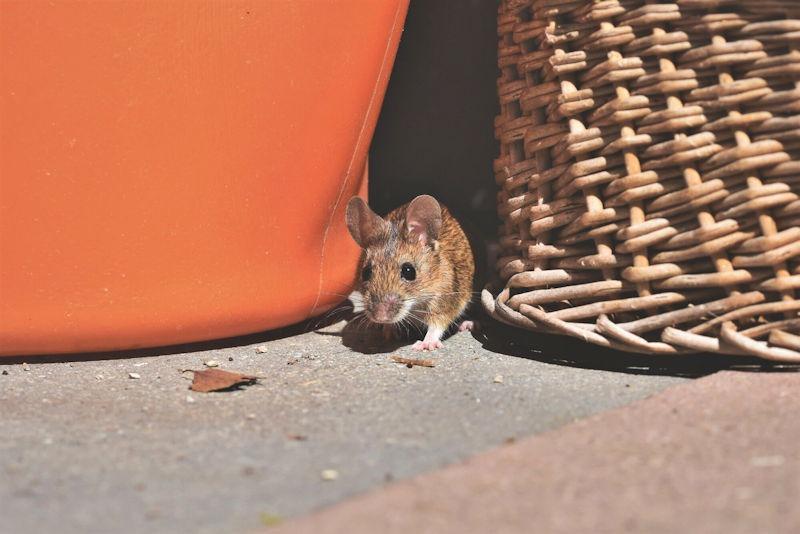
As temperatures begin to cool in the fall, mice and other rodents look for warm sheltered spaces. Crawlspaces, garages, and attic areas provide protection from colder weather and predators. In wooded areas across Southern Maryland, rodents often travel along property edges before entering structures through small openings. These seasonal movements are commonly observed during fall inspections.

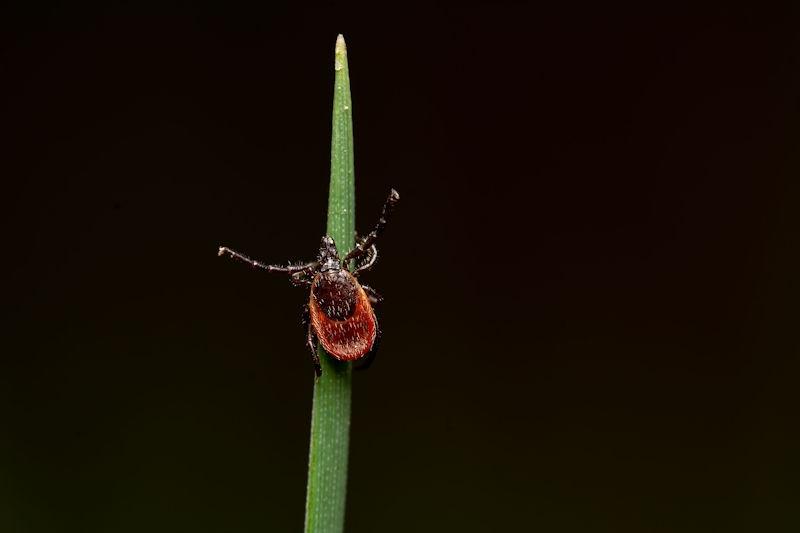
Ticks thrive in shaded environments where leaf litter and tall vegetation provide moisture and protection. Many Southern Maryland homes border wooded areas that support deer and small wildlife that carry ticks into residential landscapes. Lawn-to-woods transitions often become the areas where ticks are most active. Pets and people traveling through these zones can encounter ticks during warmer months.

How Professionals Solve Pest Problems

Most pest problems originate outside the home, which is why exterior inspection is an important first step. Technicians look for nesting areas, entry points, moisture conditions, and landscaping features that support pest activity. These observations help explain why pests are appearing indoors. Understanding the exterior environment leads to more effective decisions.

Targeted treatments focus on the areas where pest activity actually begins. When technicians identify nesting areas, travel routes, or harborage zones, treatments can be applied precisely where they are needed. This approach reduces unnecessary product use and often provides longer-lasting results. Inspection helps determine which areas require attention.

Pest problems may return if the environmental conditions supporting them remain unchanged. Moisture, landscaping contact, structural gaps, and outdoor nesting areas can continue to attract pests. When these conditions are identified during inspections, they can often be corrected or monitored. Addressing the underlying conditions helps create more consistent results.

Health and Safety Concerns for Homes With Pets

Homes with pets benefit from a pest control approach that begins with understanding where pest activity originates. Inspection helps identify outdoor conditions that are supporting pest populations so treatments can be used thoughtfully and only where necessary. This approach helps minimize unnecessary product use around the home. For many households with pets, identifying and correcting pest conditions is just as important as treatment itself.

Ticks can transmit diseases to both pets and people, which is why many homeowners in Southern Maryland pay close attention to tick activity around their property. Ticks are most common along wooded edges and shaded vegetation where wildlife frequently travels. Regular yard maintenance and awareness of tick habitat can help reduce exposure for pets. Inspections often focus on these outdoor transition areas.

Rodents can contaminate surfaces with droppings and nesting materials if they establish themselves inside a structure. In Southern Maryland homes, rodents often begin nesting outdoors before entering crawlspaces or attic areas. Identifying these outdoor nesting locations can help prevent interior infestations. Inspection helps locate the conditions that allow rodents to move toward the home.

Timing, Cost, and Expectations

Pest activity generally increases during the warmer months of spring and summer when insects reproduce and food sources are abundant. Mosquitoes, ants, and ticks are particularly active during these seasons. However, rodents often become more noticeable during the fall as they look for shelter. Seasonal inspection patterns reflect these shifts in pest behavior.

A pest inspection typically begins with evaluating the exterior of the property. Technicians look at landscaping, foundation areas, drainage patterns, and structural entry points that may allow pests to enter. These observations help determine how pests are interacting with the home environment. The goal is to understand the conditions supporting pest activity.

In many cases, landscaping adjustments can help reduce pest activity around homes. Reducing dense vegetation near foundations, improving drainage, and managing mulch depth can limit areas where pests nest. These types of environmental adjustments are often discussed during inspections. Small landscape changes can sometimes make a significant difference.

A Practical First Step for Southern Maryland Homeowners

For homeowners in Southern Maryland, the most helpful first step is understanding what is happening around the home. Pest activity usually reflects the environmental conditions surrounding the structure rather than a single isolated event inside.

A careful inspection can help identify where pest activity begins and what conditions may be supporting it. Once those patterns are understood, homeowners can make more informed decisions about prevention and pest protection.

Planet Friendly Pest Control works with homeowners throughout Southern Maryland to provide calm, inspection-driven pest protection designed specifically for homes with pets and the environments that surround them.

The welcoming front porch of a Southern Maryland home — the first step toward inspection-first pest protection

Get Your Inspection Now

Not sure what you're seeing? An inspection tells you exactly what's going on.

Local Authority You Can Trust

This guidance is written by local professionals who focus on inspection-first, exterior-first pest control for homes across Southern Maryland and Northern Virginia.

Inspection-first, exterior-first, targeted treatment applied per product labels — helping limit unnecessary pesticide use and indoor exposure.

Owner Gene Wright has solved local pest problems since 1998.

A Southern Maryland family and their dog at home, protected by inspection-first pest control

Ready to Get Answers for Your Home?

If you're dealing with a pest problem and want clear answers — not guesswork — the next step is simple.

Schedule your initial site inspection, or give us a call at 800-990-0335. No contracts. No unnecessary spraying. Just smart, exterior-first protection.